Realism
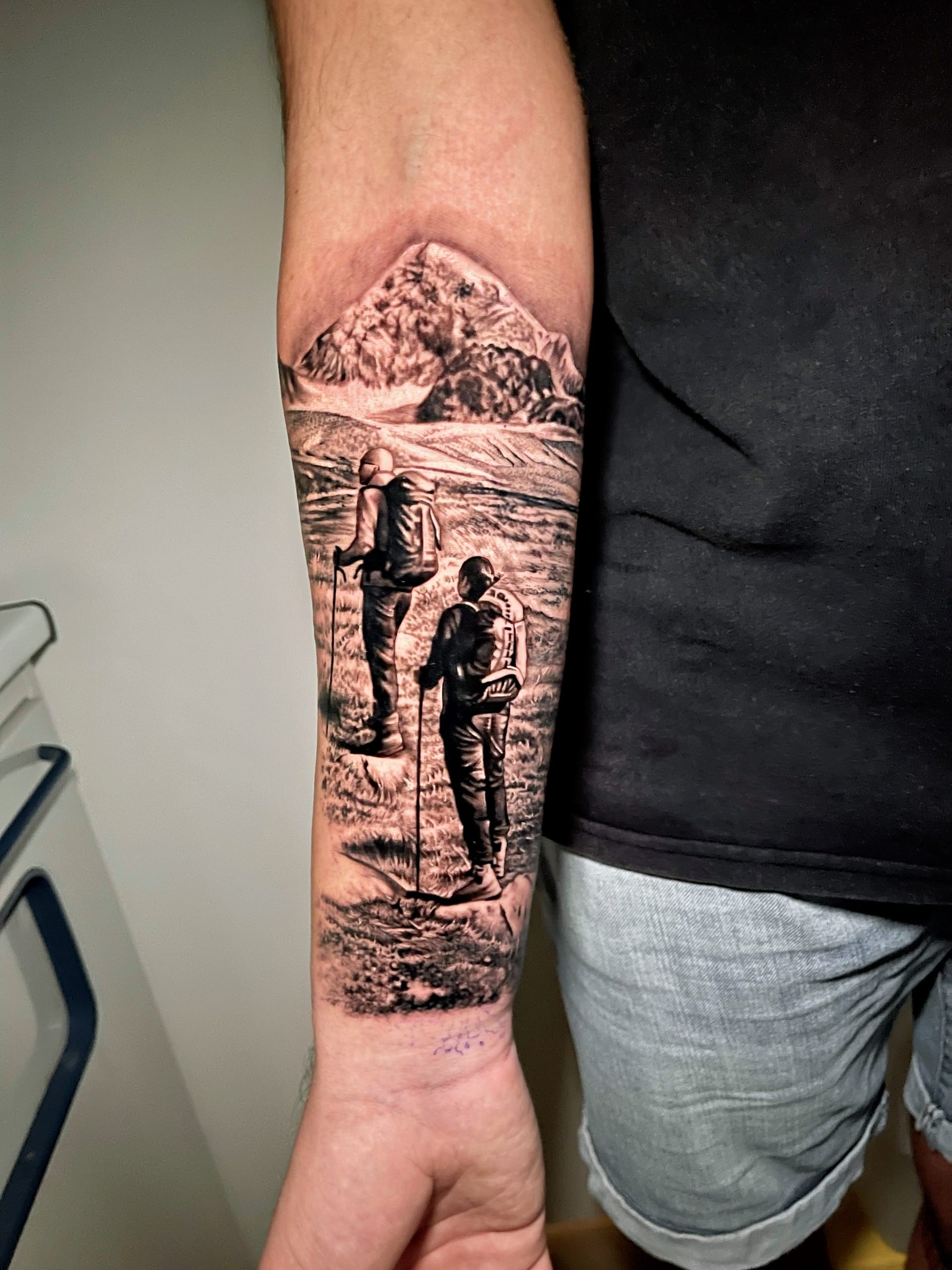
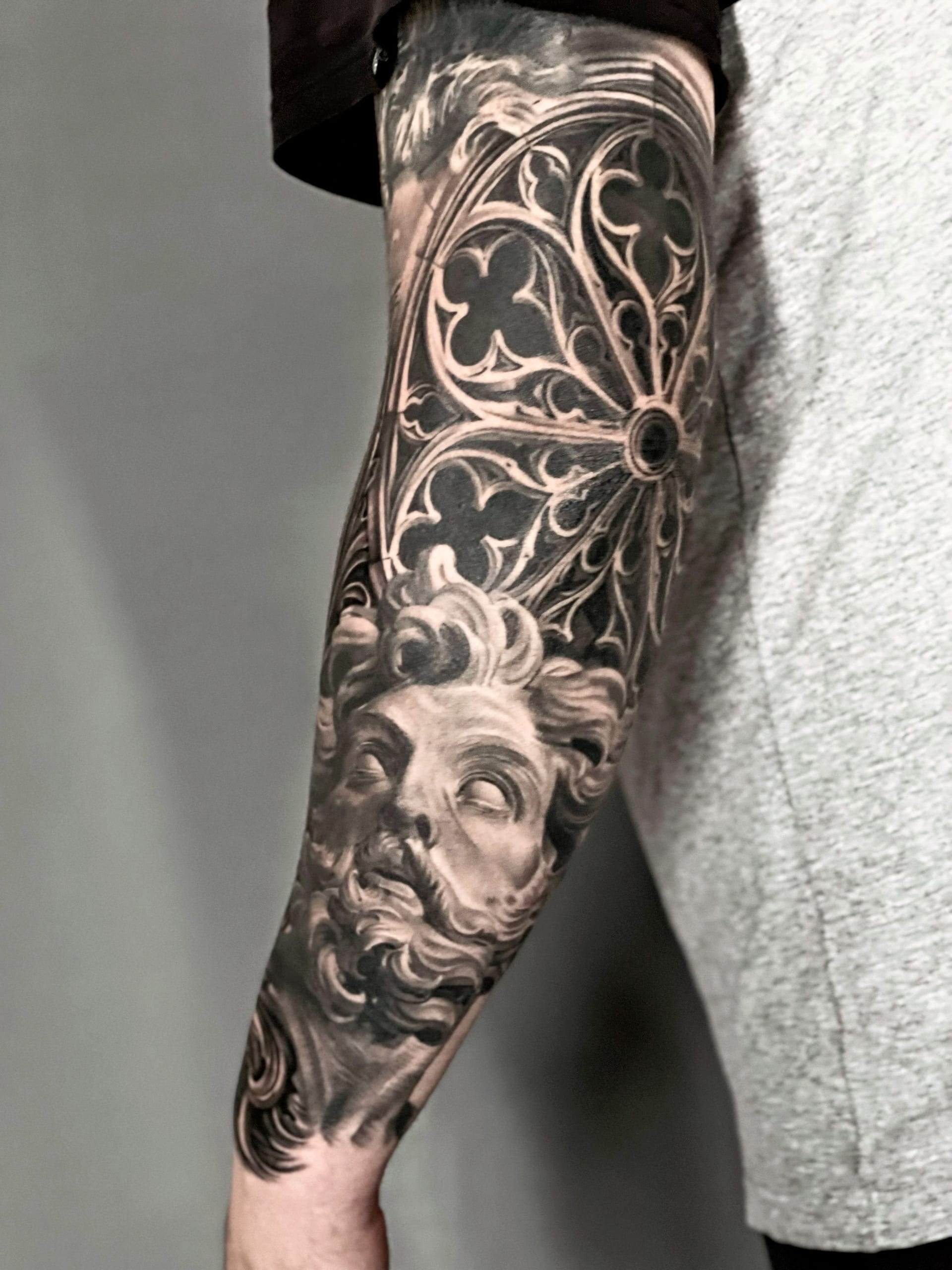
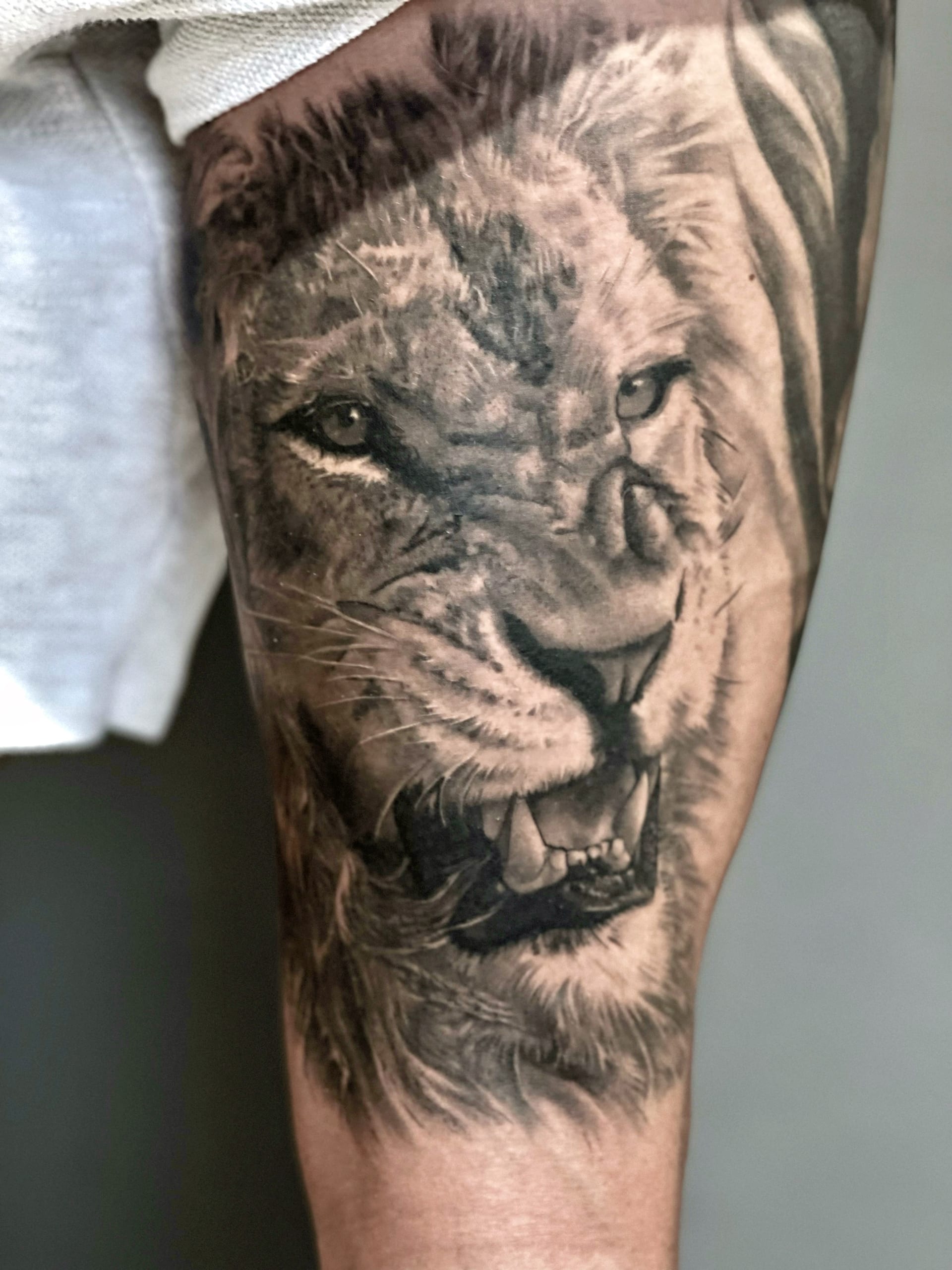
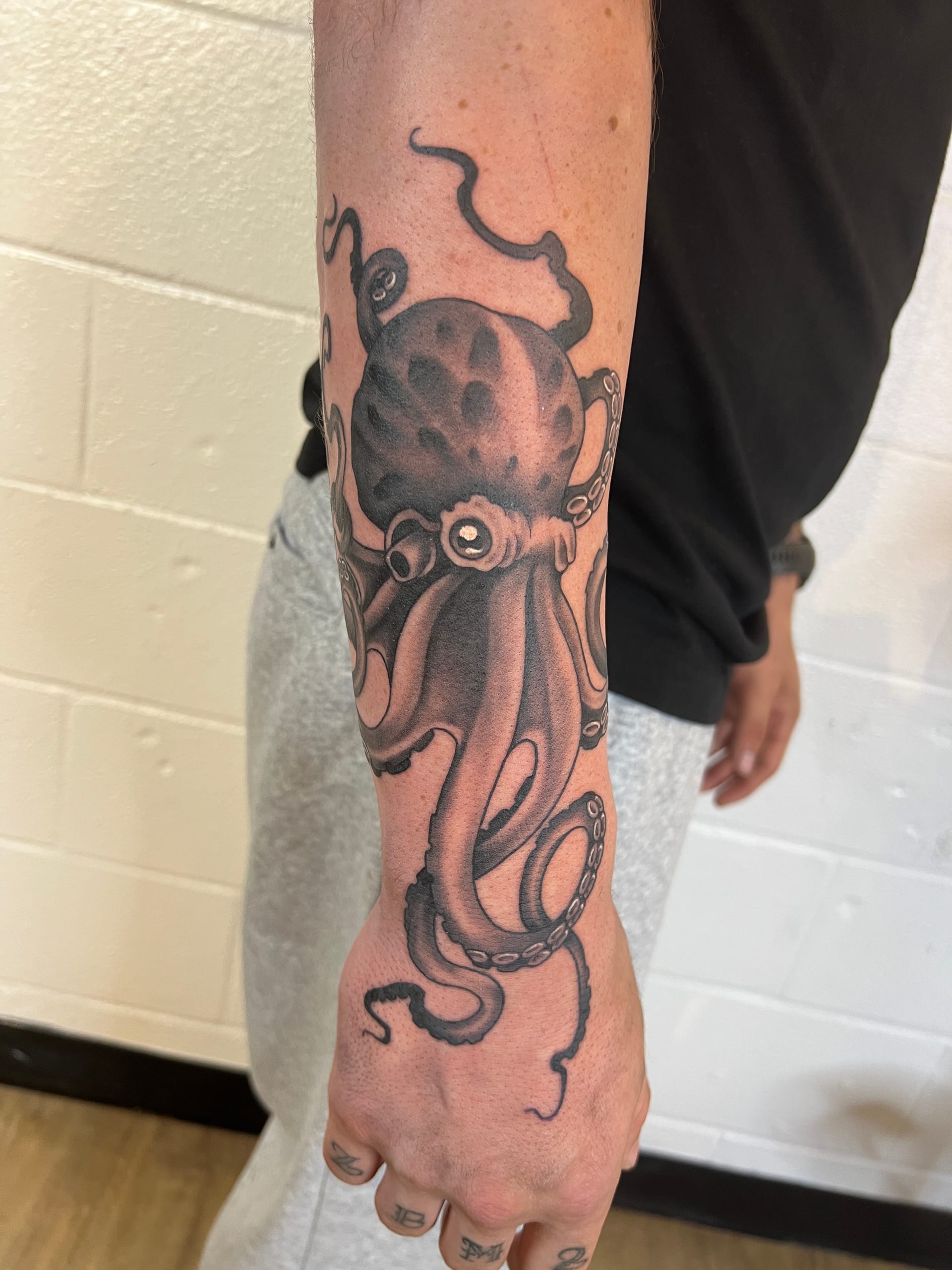
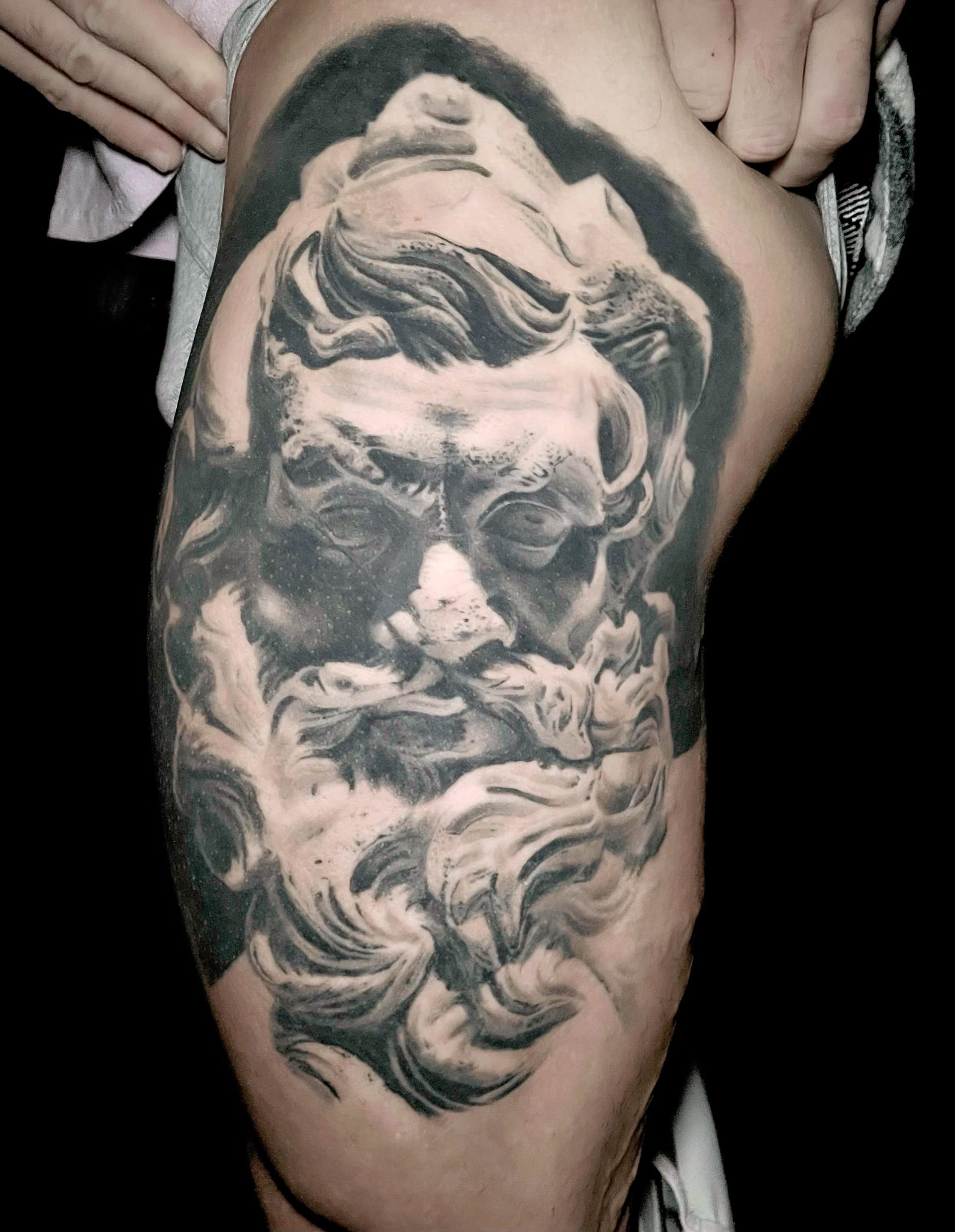
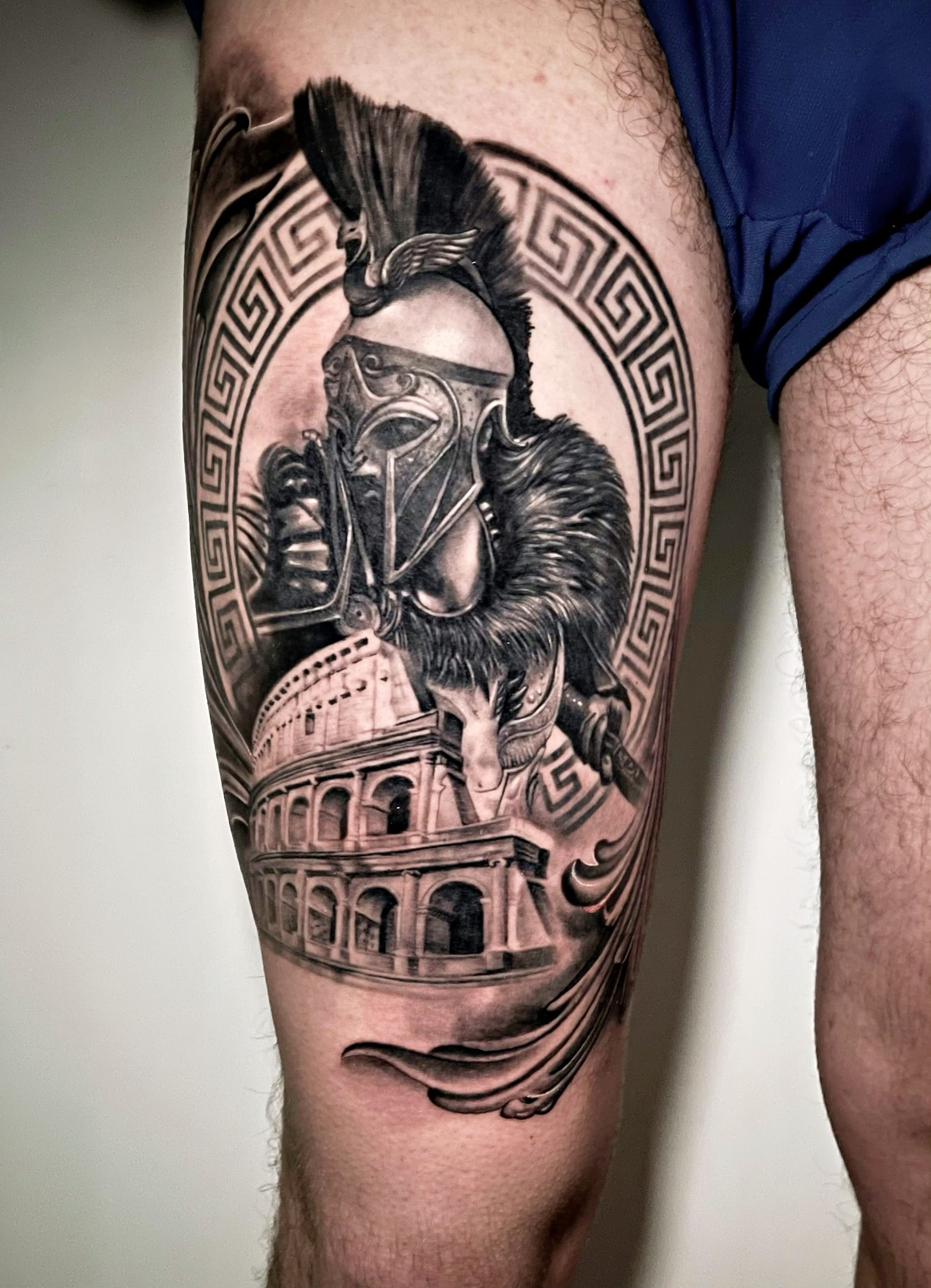
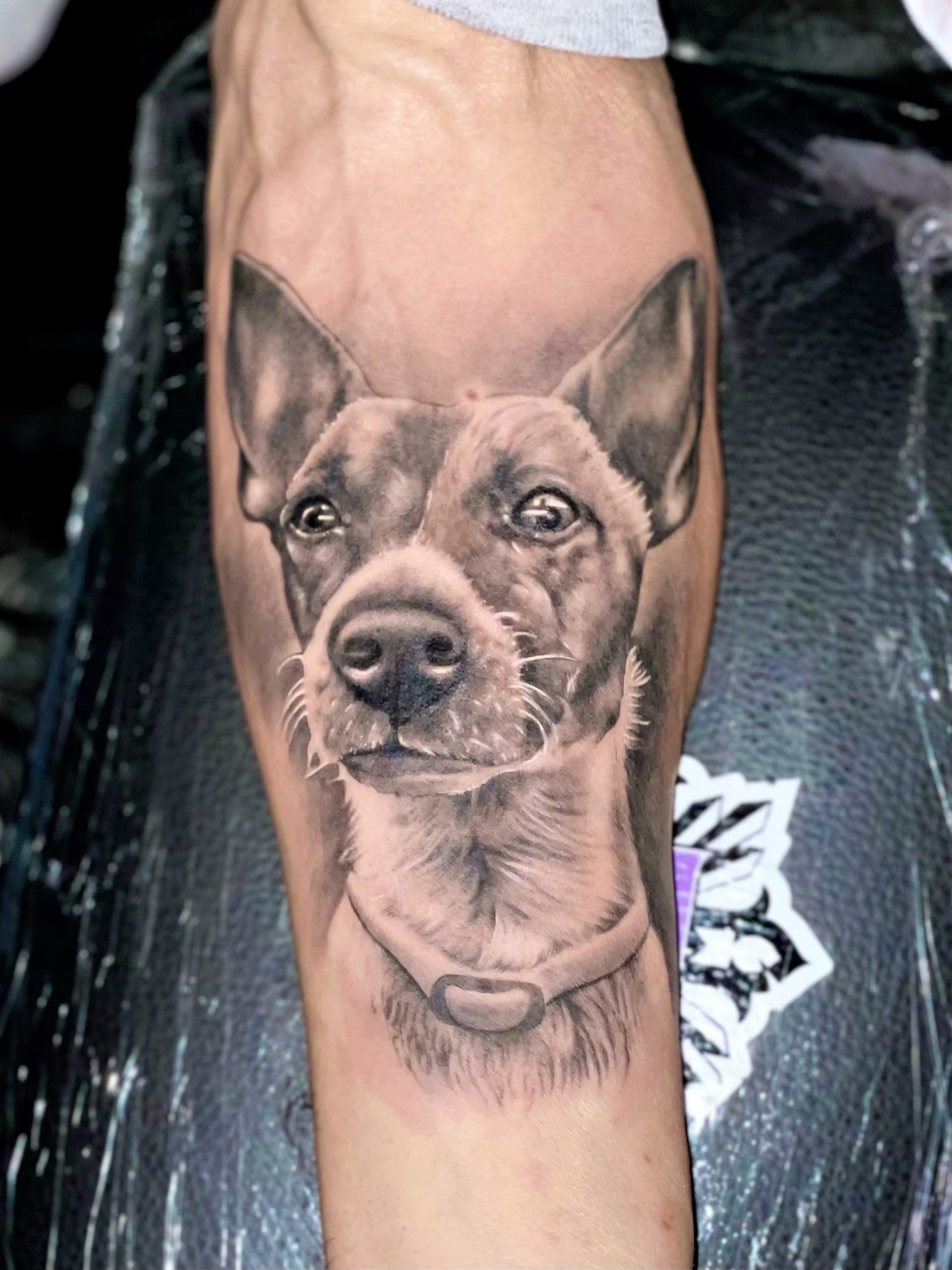
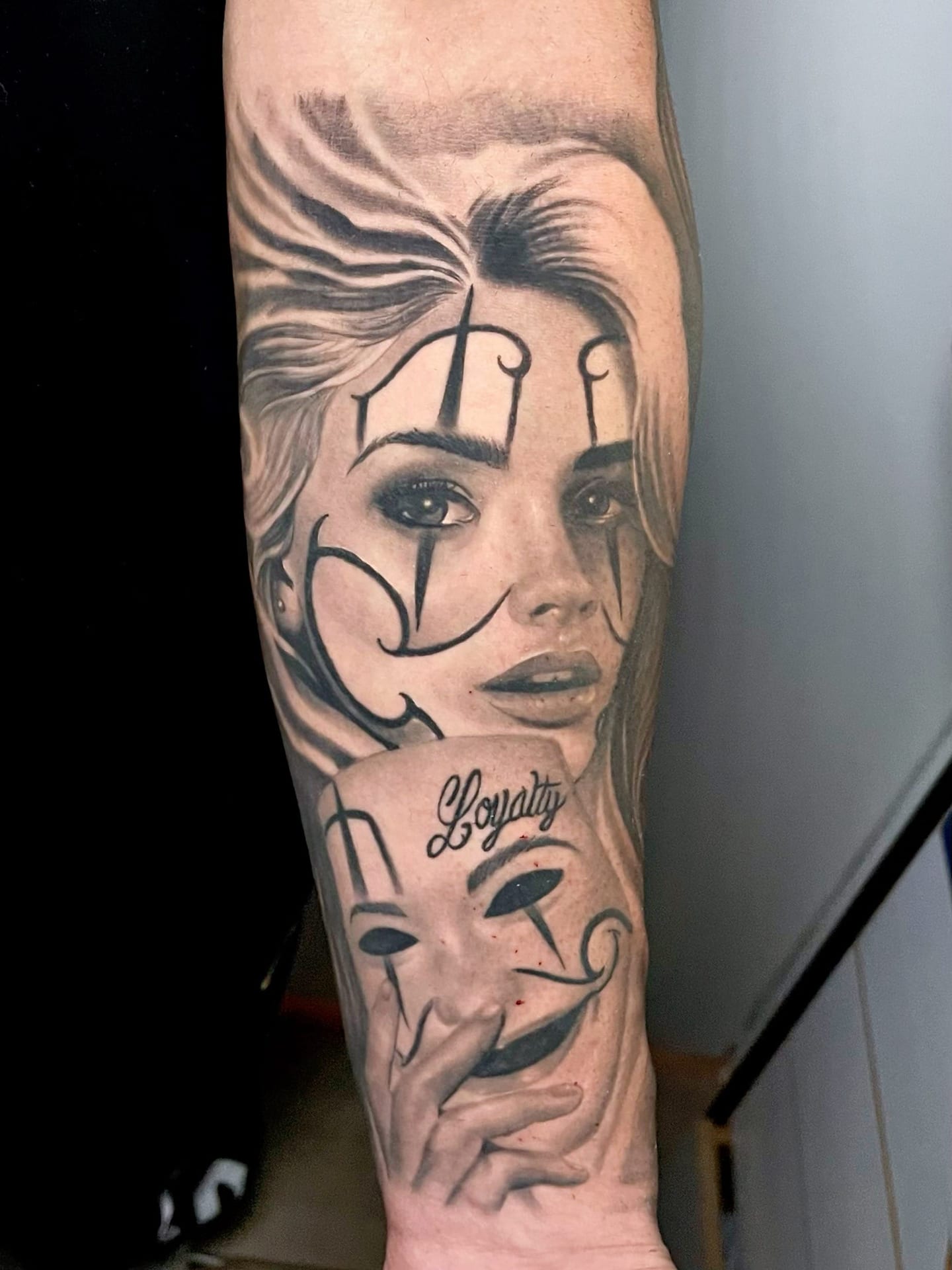
Faces, animals, eyes and objects rendered as the camera sees them, in color or black and grey, by artists who draw from life.

The style
Light and shadow, no outlines
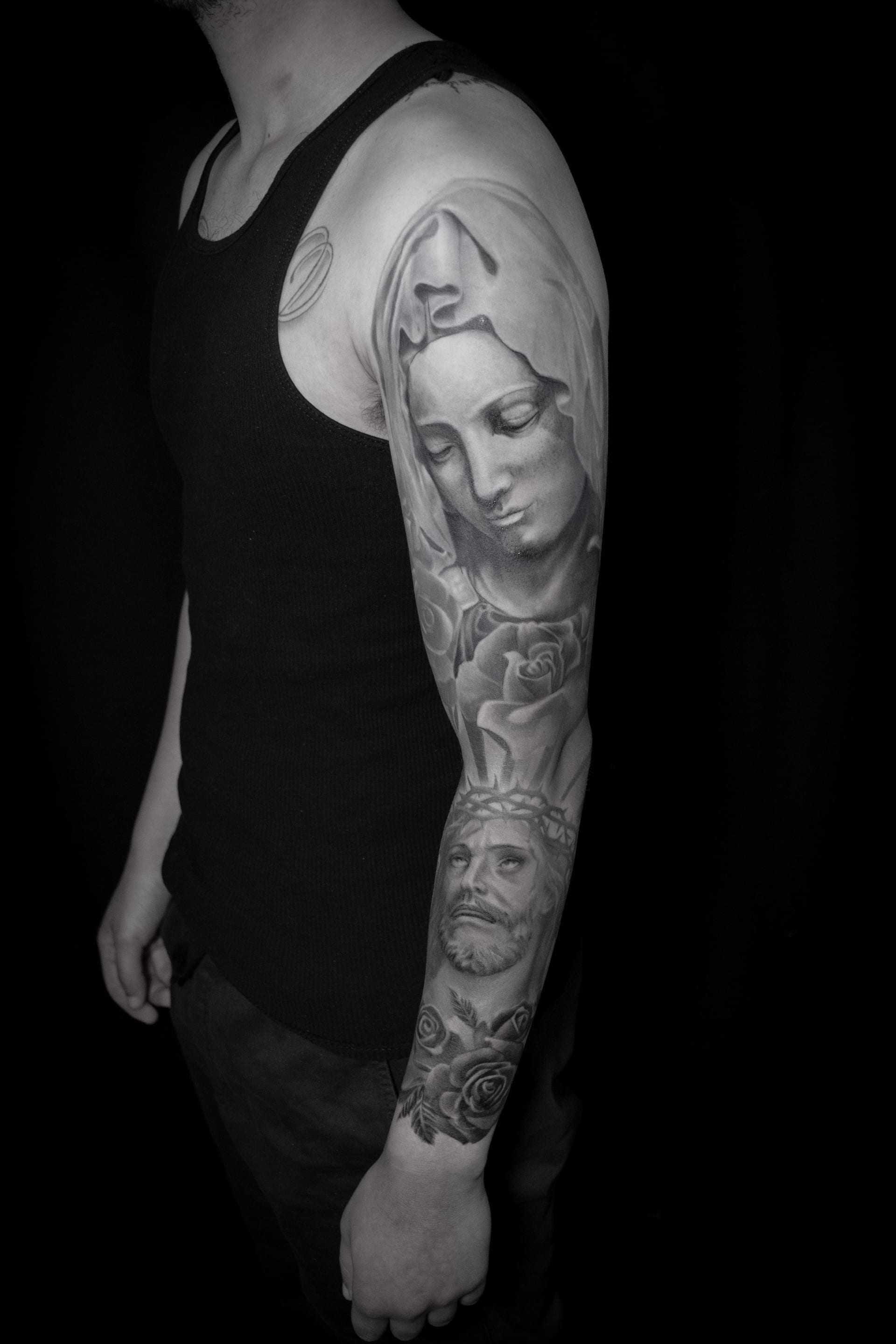
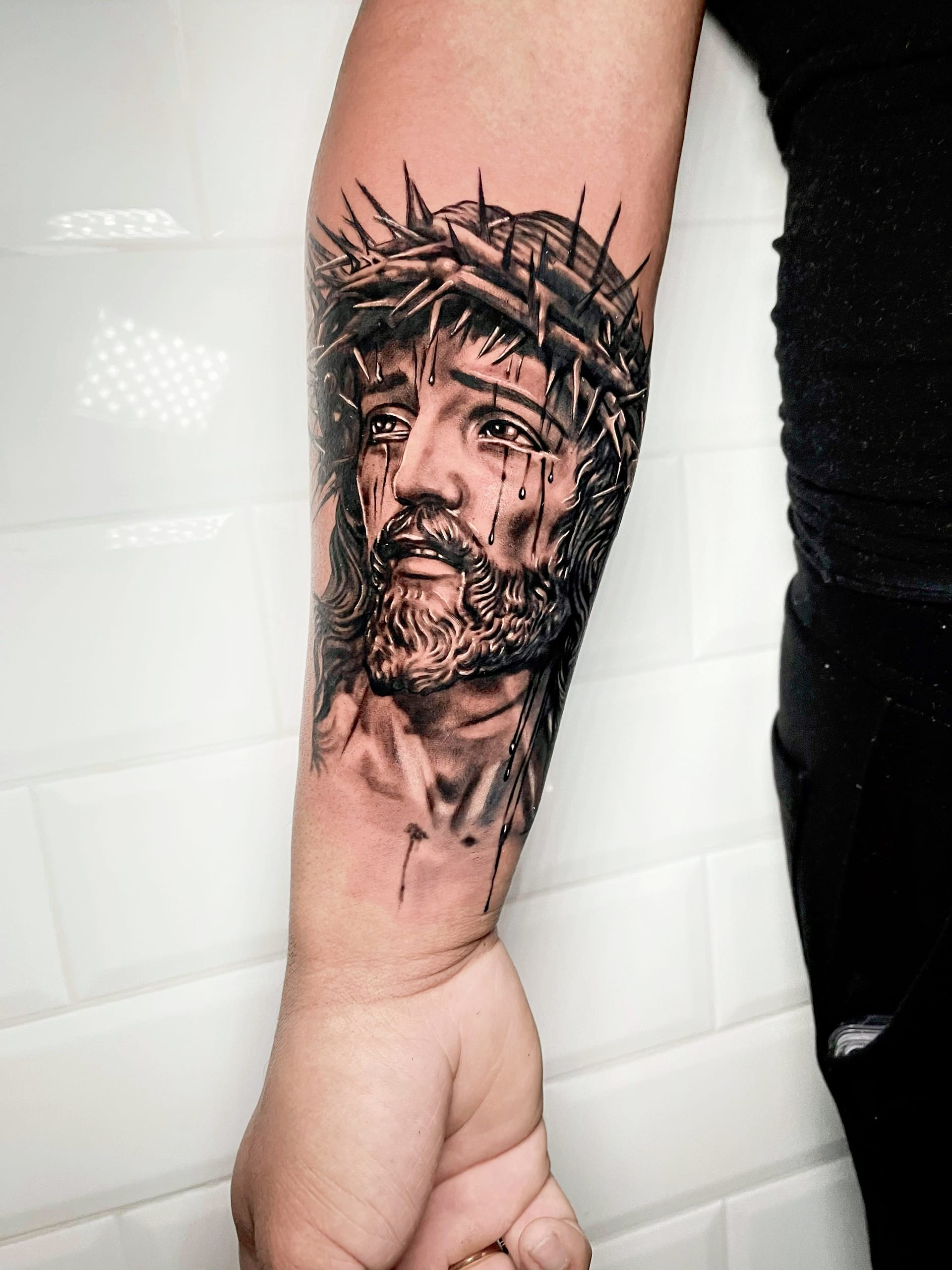
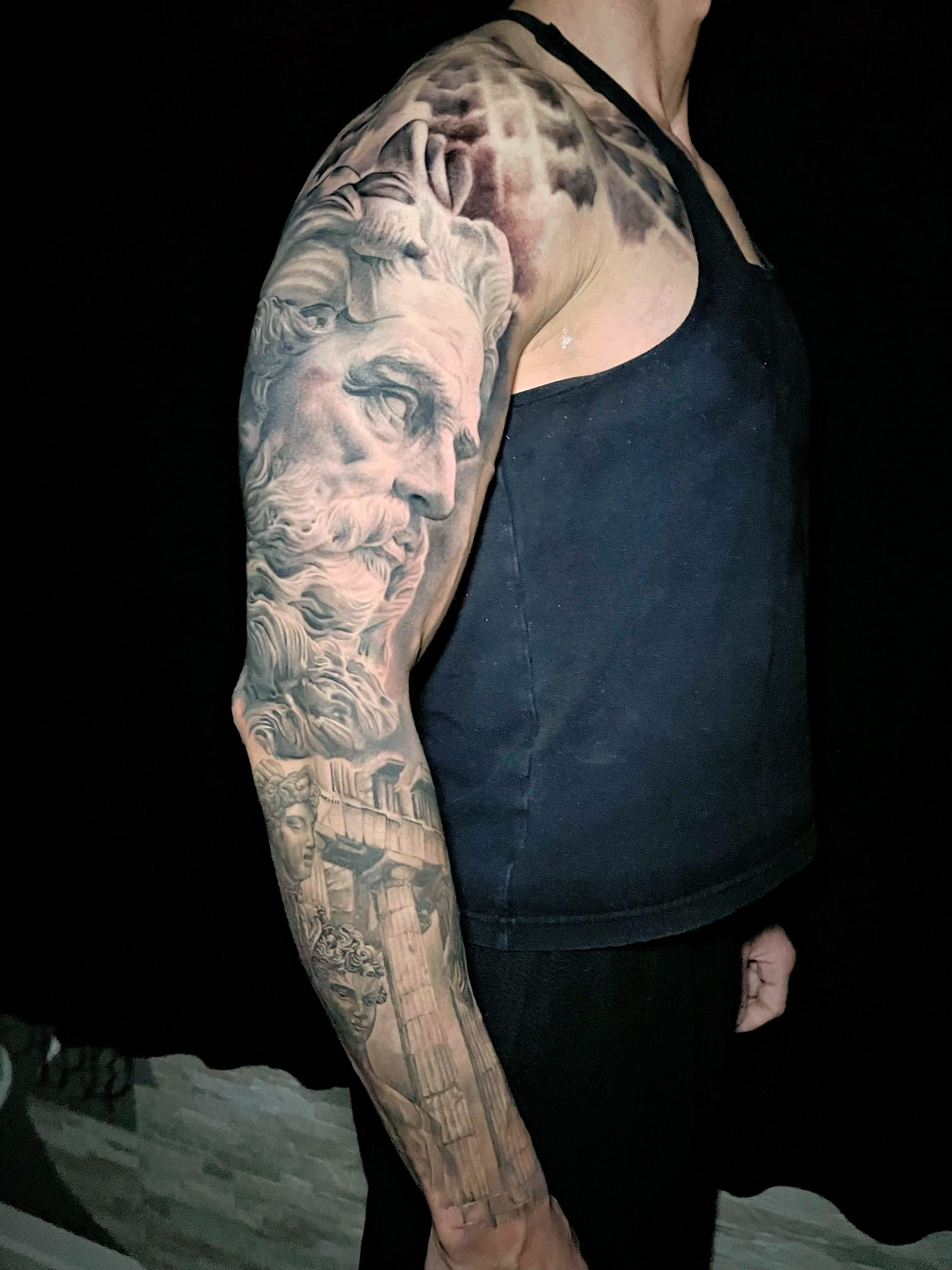
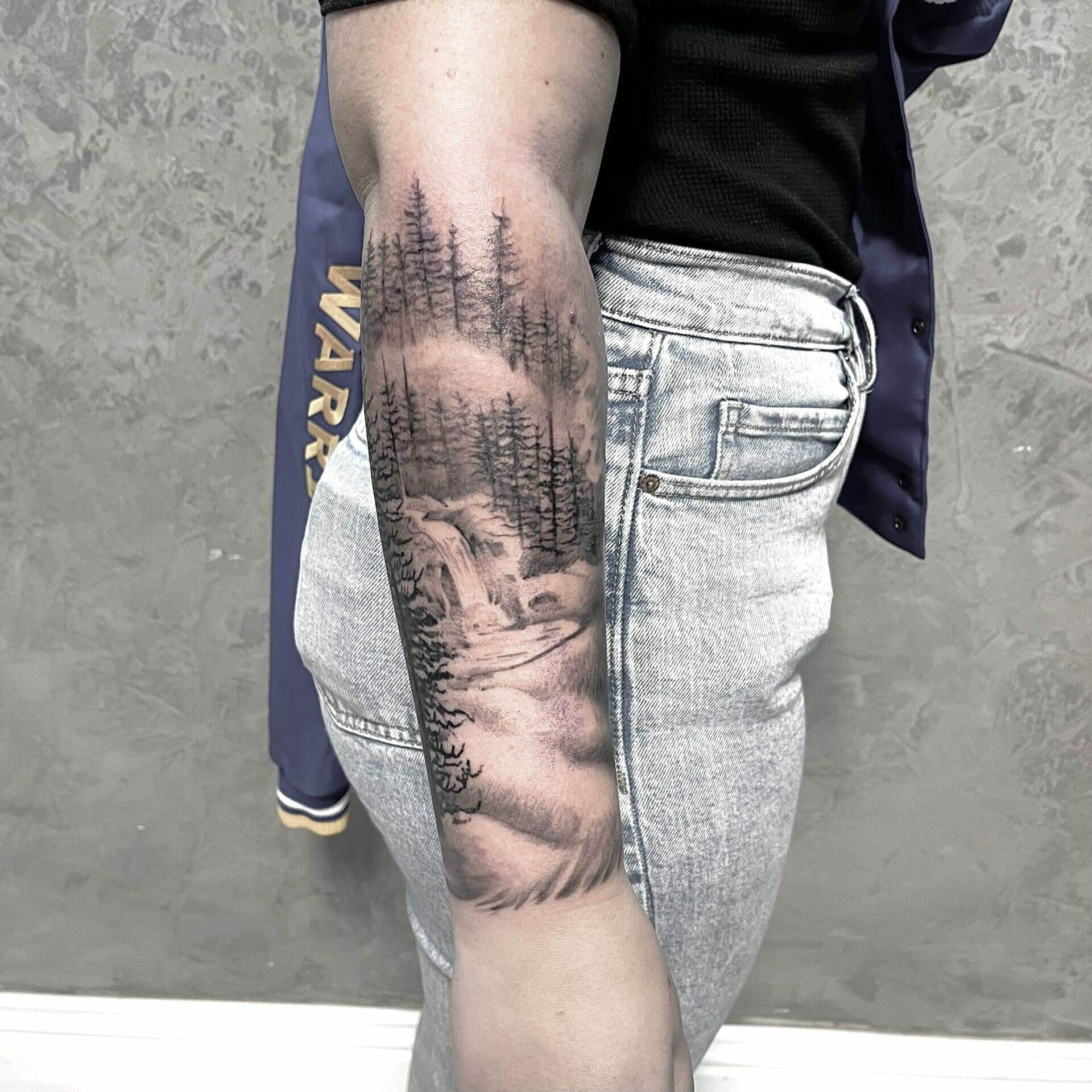
Realism builds the image from tone instead of line: there is no outline, only the edges where light meets shadow. It demands a sharp reference, an artist who draws from life, and skin that gives the shading room.
Black and grey realism is the most common form and ages best; color realism is spectacular when fresh and needs more care in the sun, so the artist will ask where on the body it goes before saying yes to color.
Work
Realism from the shops
What to expect
Who to ask for realism
Leo Cadenazzi
Black and grey · Portraits
Skott Kautman
Black and grey · Horror · Japanese
Diego Perugini
Black and grey · Illustrative · Portraits
Start with the photograph
The reference decides the result. Bring the highest-resolution photo you have, with the light you want; the artist will tell you if it will work at the size you want. Realism needs size: a face smaller than a palm loses the detail that makes it real.
Leo leads black and grey realism here and Diego brings a Roman draughtsman's hand to it; Skott does faithful reproductions of paintings and photographs. Each will tell you honestly whether your reference can carry the size you want, before any deposit.
At a glance
- Look
- Photographic, no outlines
- Ink
- Black and grey or color
- Size
- Palm and up for faces
- Sessions
- One to several
- Artists
- Leo, Diego, Skott
Questions people ask
Will it blur over time?
All tattoos soften; realism without strong blacks softens fastest. Our artists anchor every piece with deep shadows for that reason, and a touch-up years later brings the contrast back.
Can you do a pet portrait?
Yes. Pet and family portraits are the most common realism requests. The photo matters more than anything; see the portraits page.
Why does realism cost more?
Time. Smooth tone is built in many passes, and a realistic face is often a full session on its own.