
Japanese
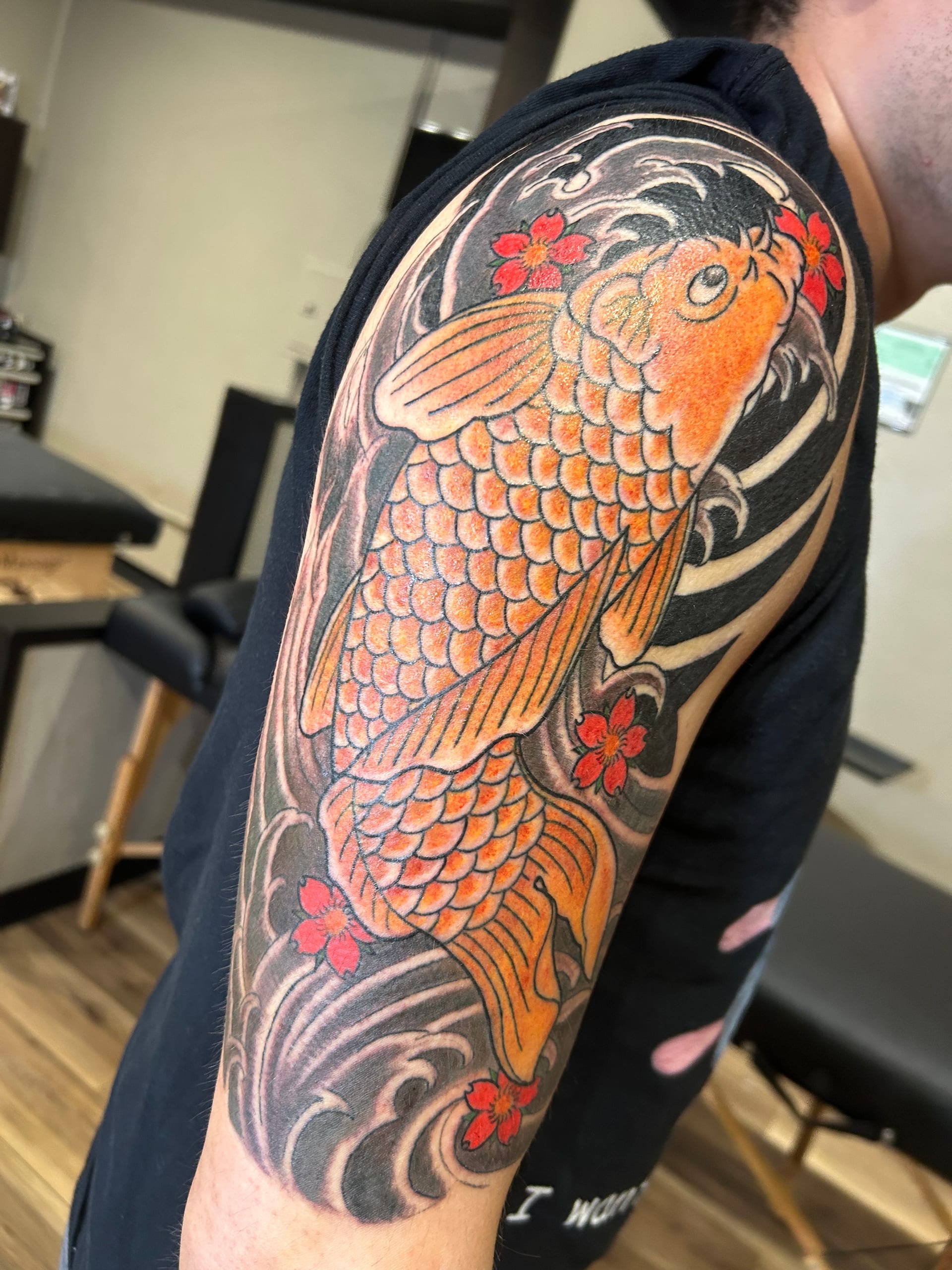
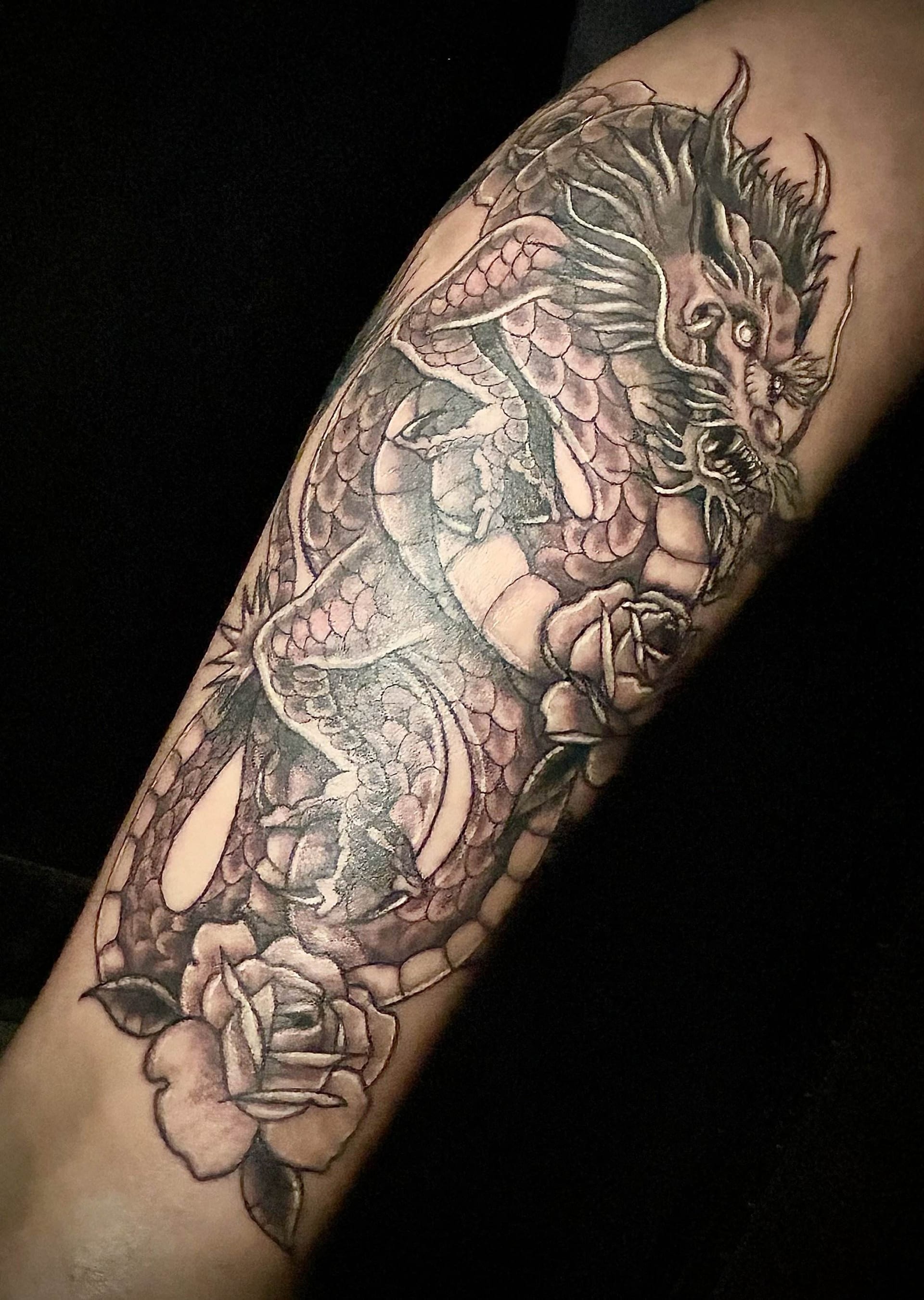
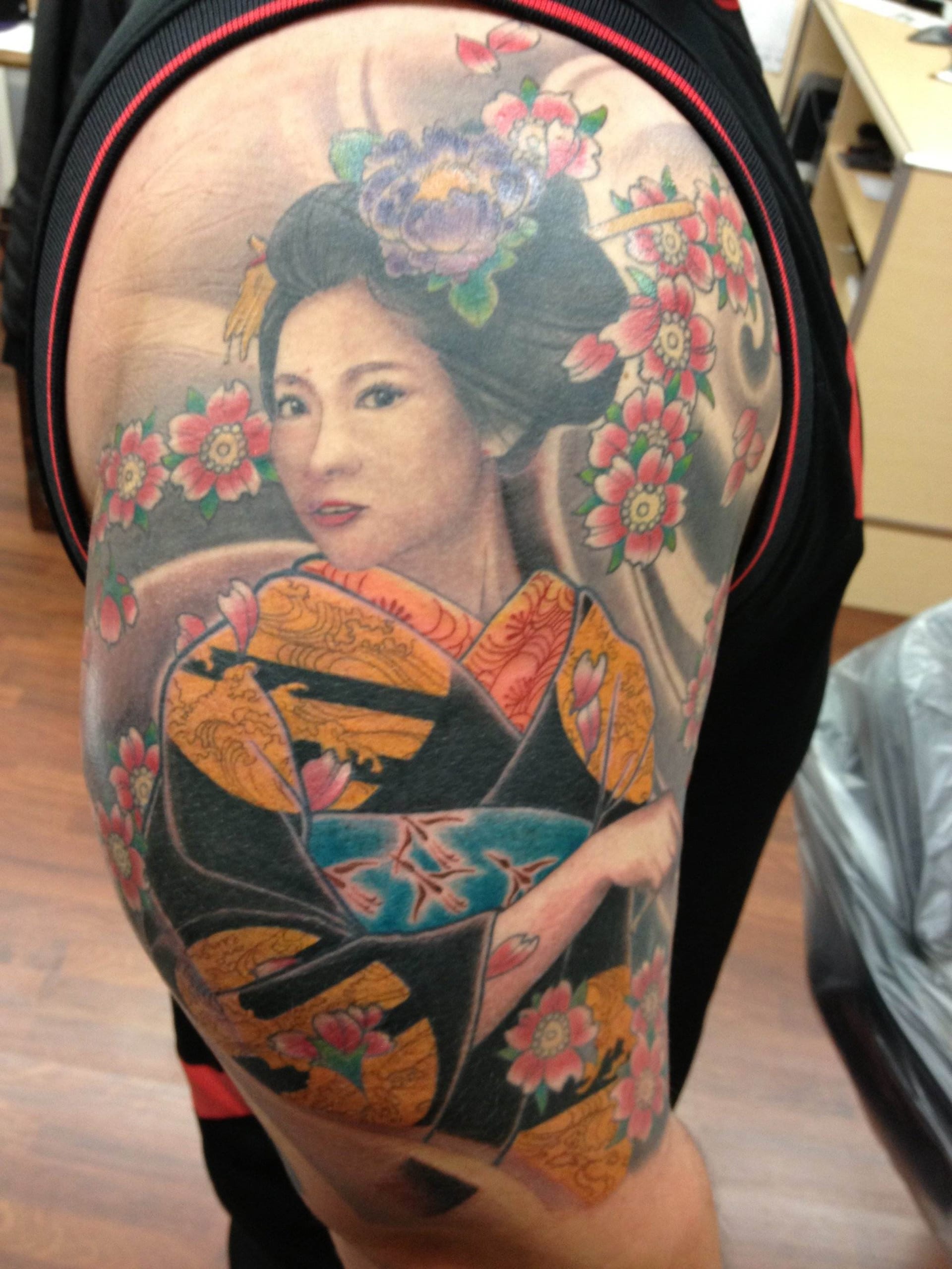
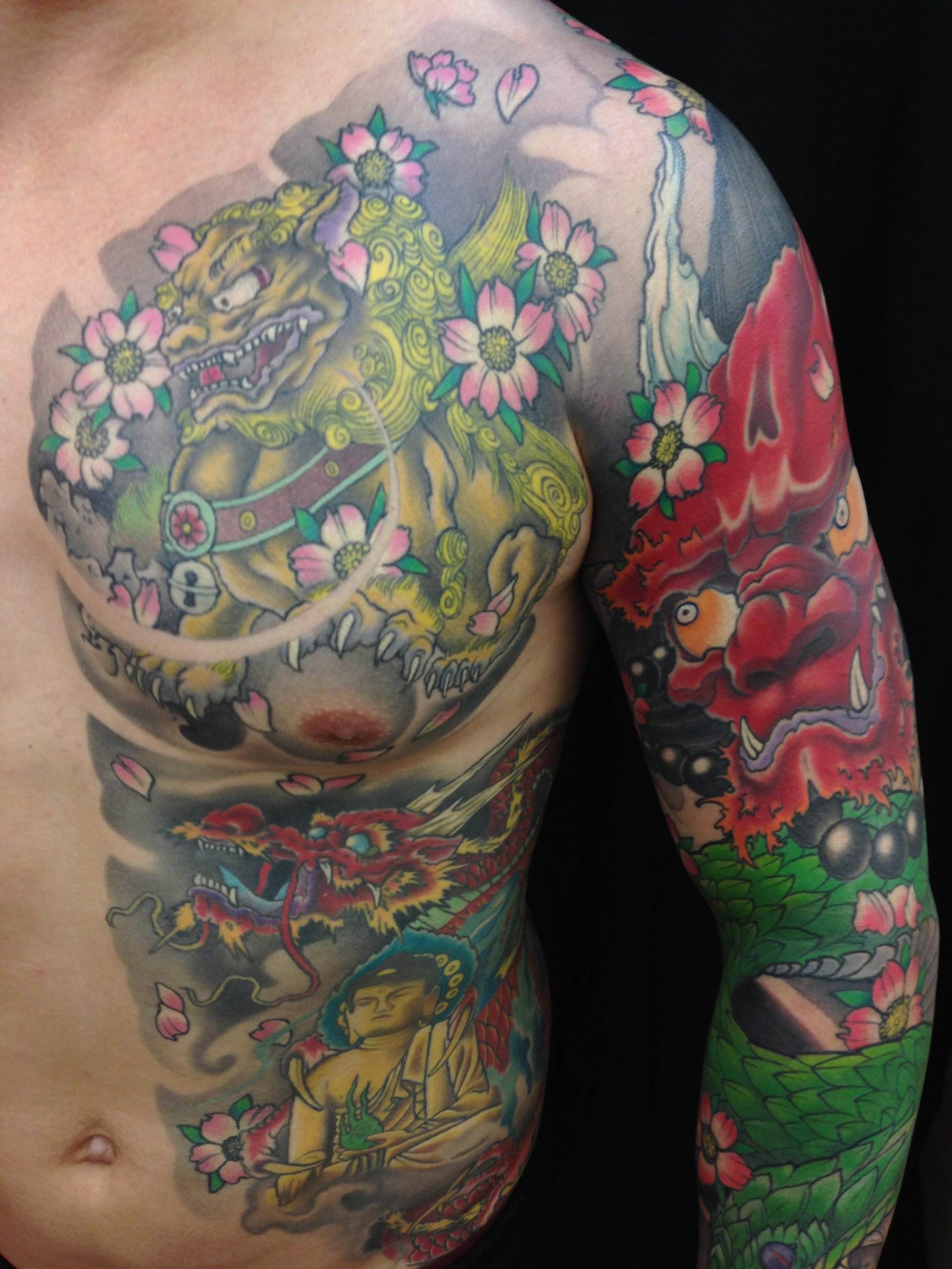
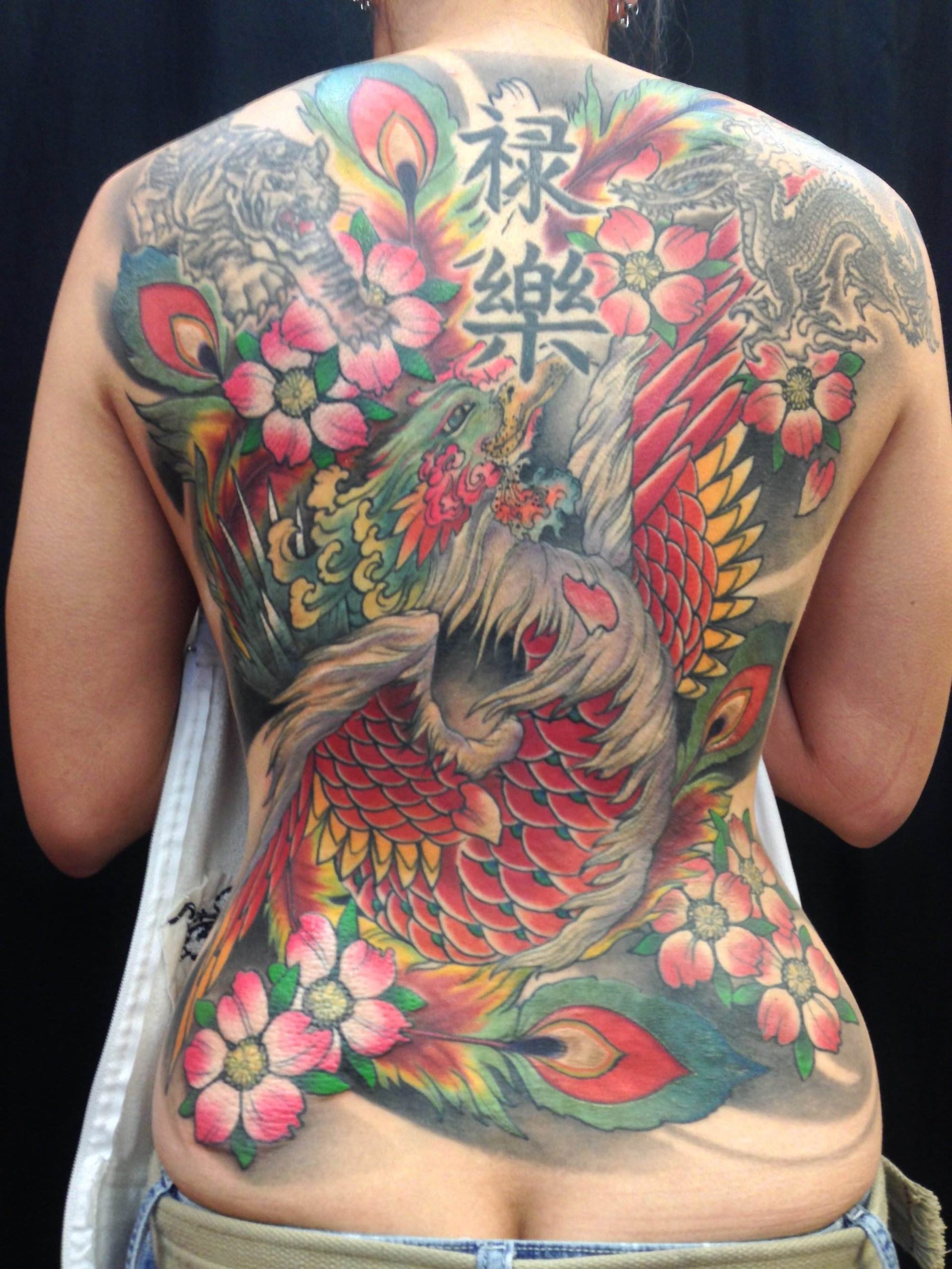
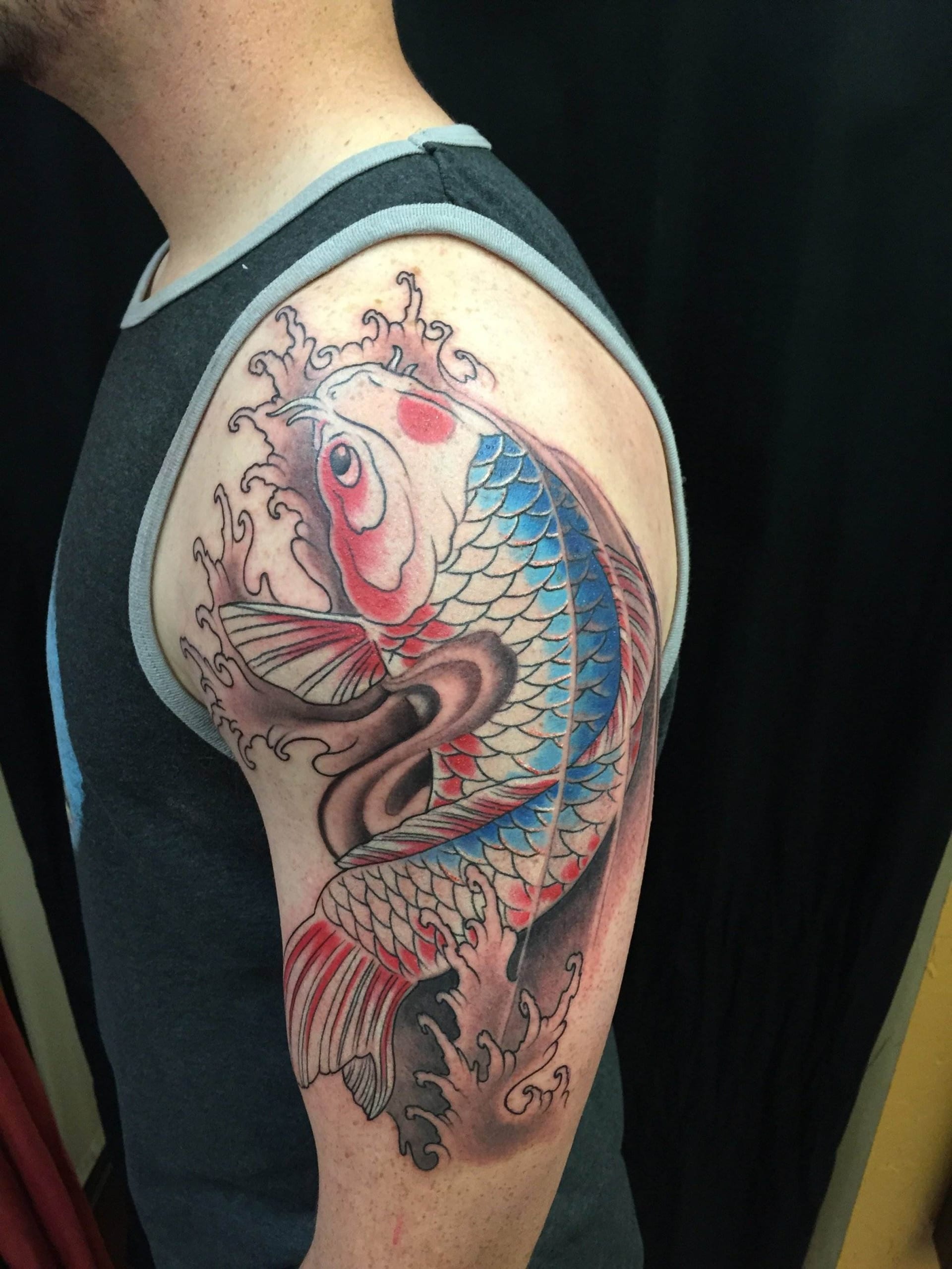
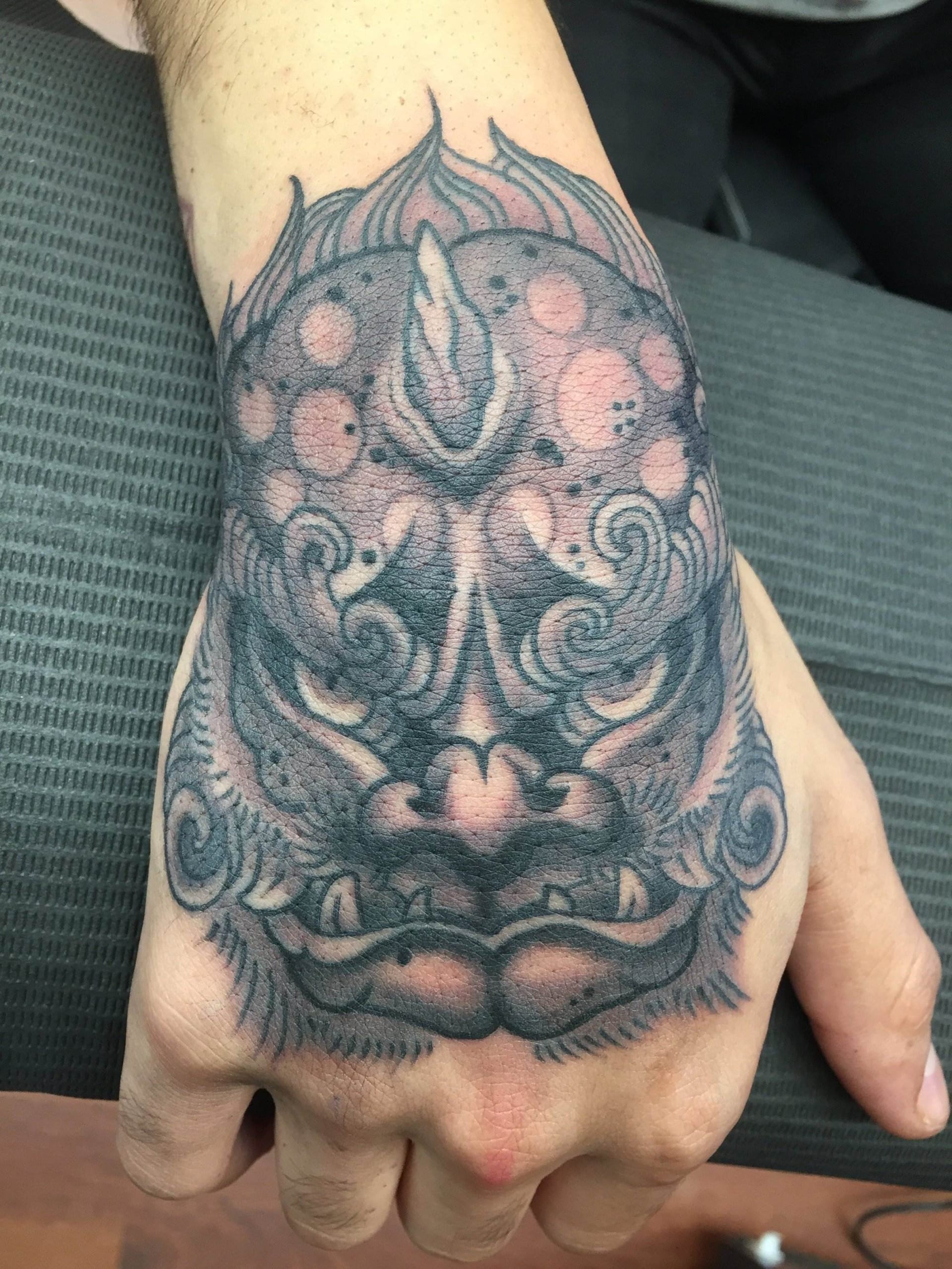
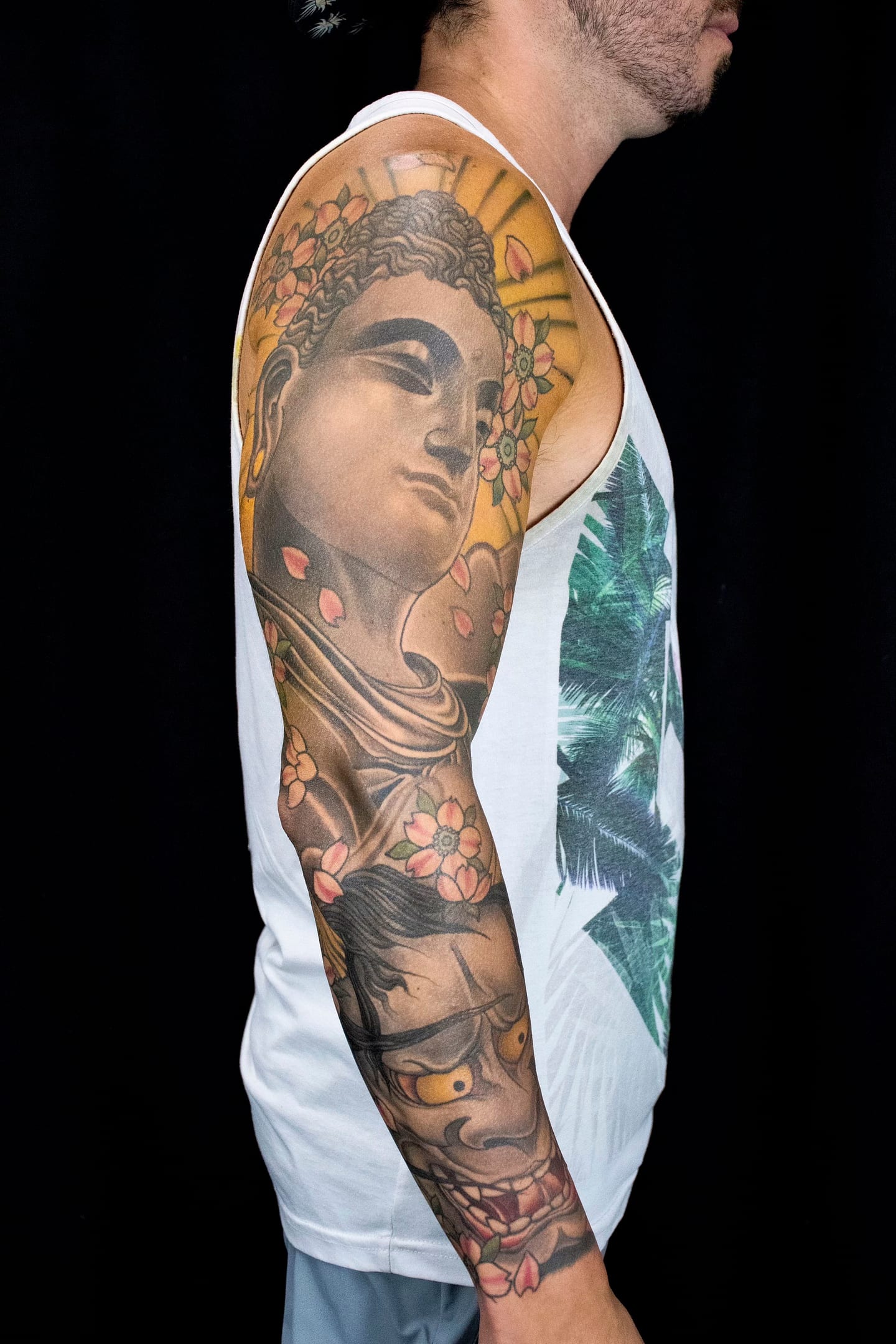
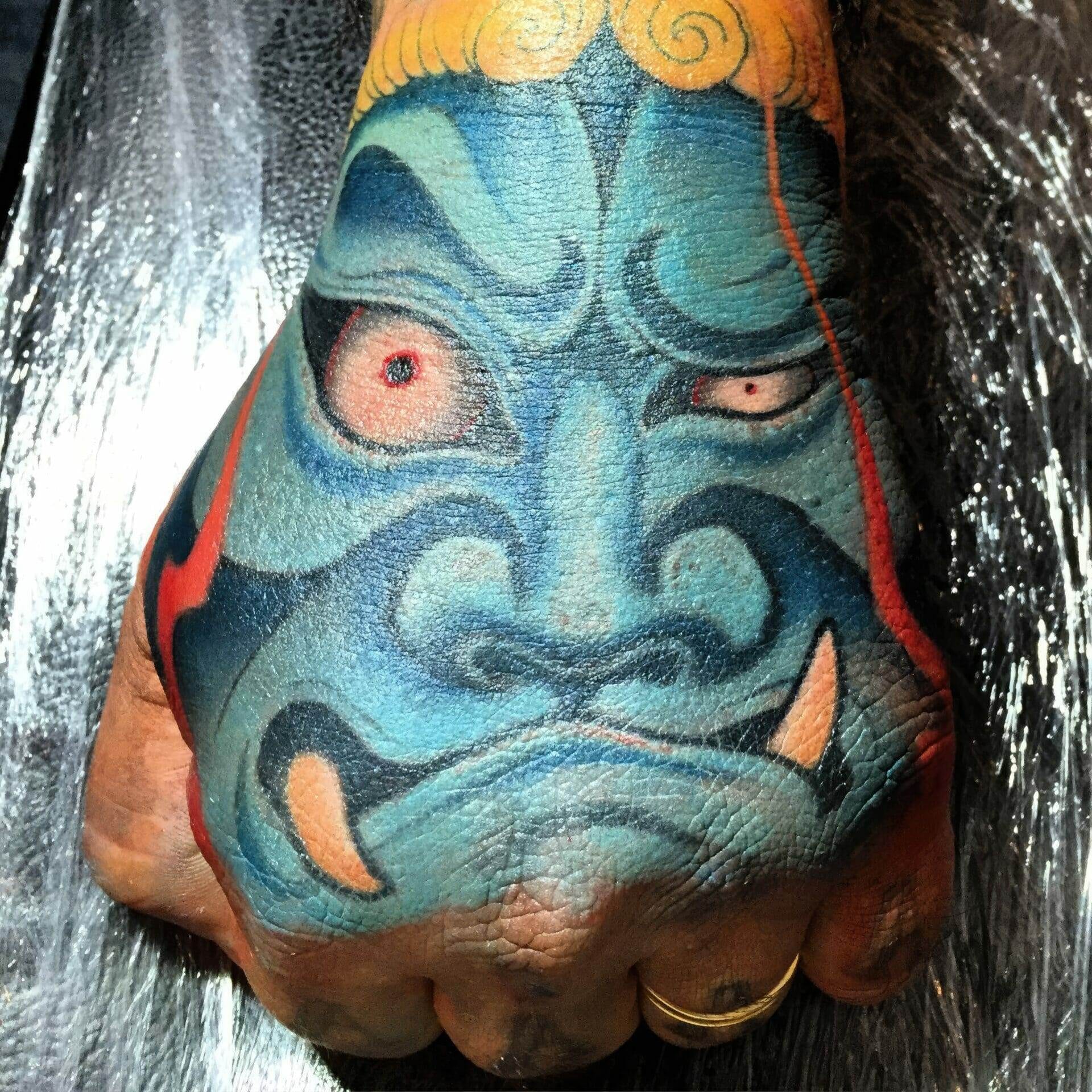
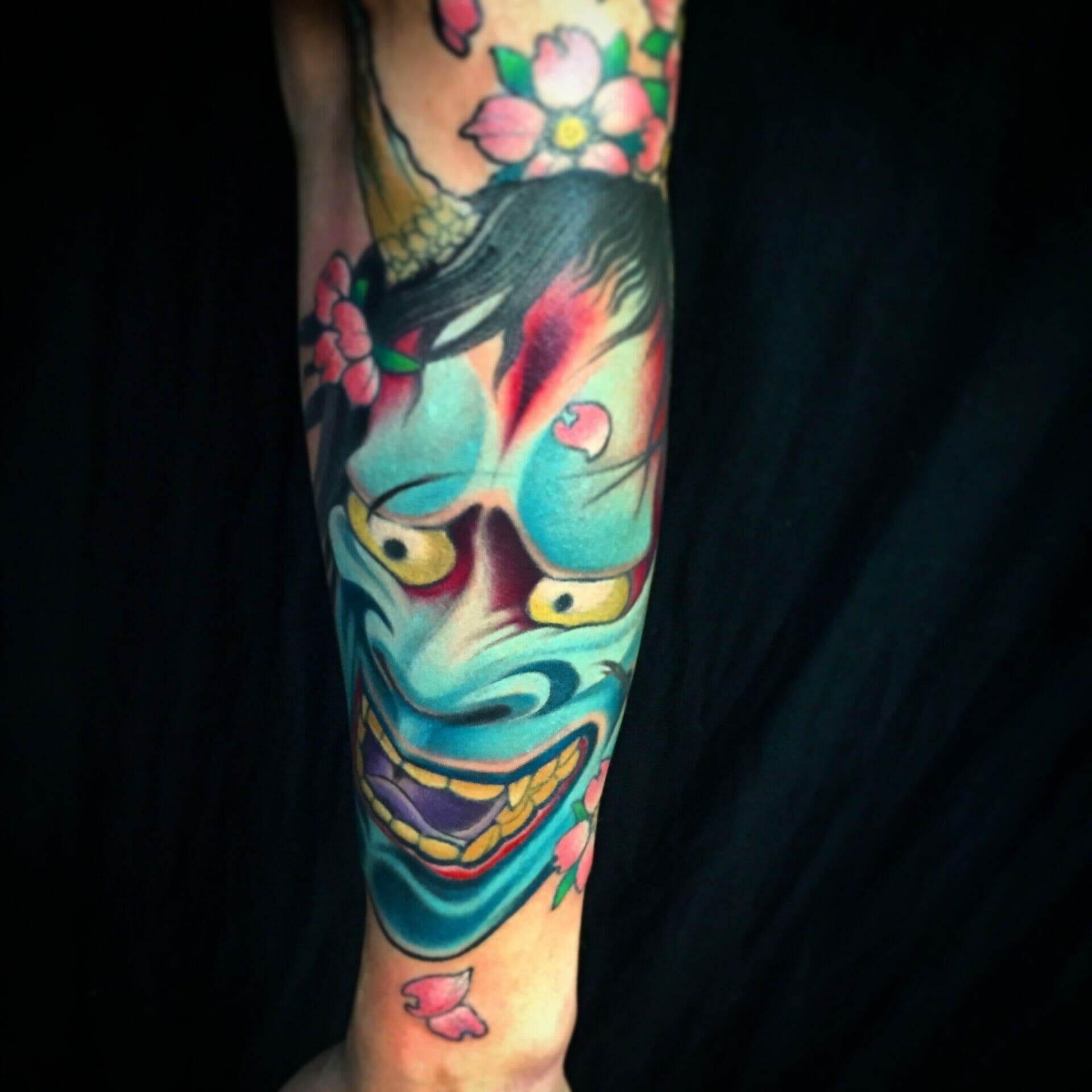
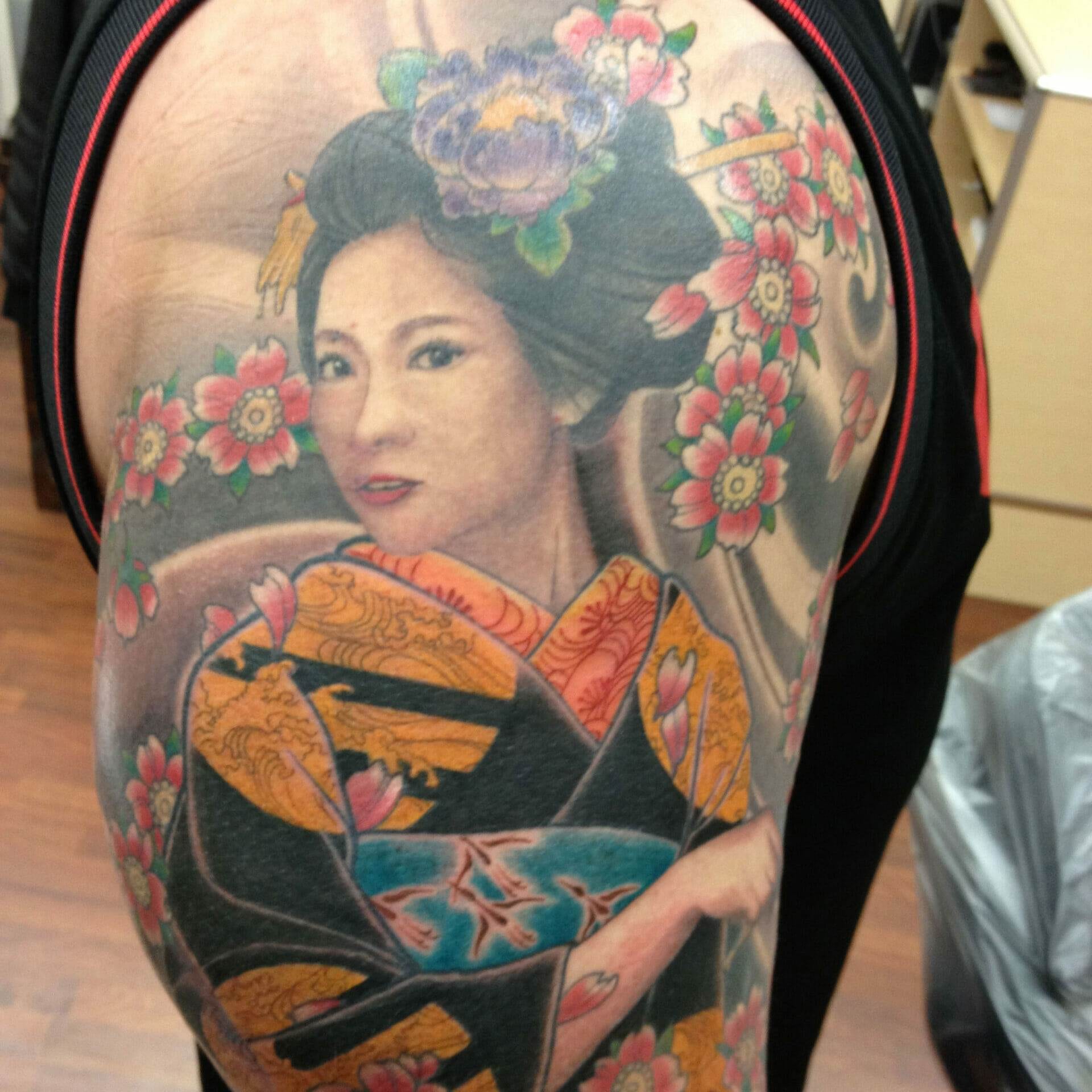
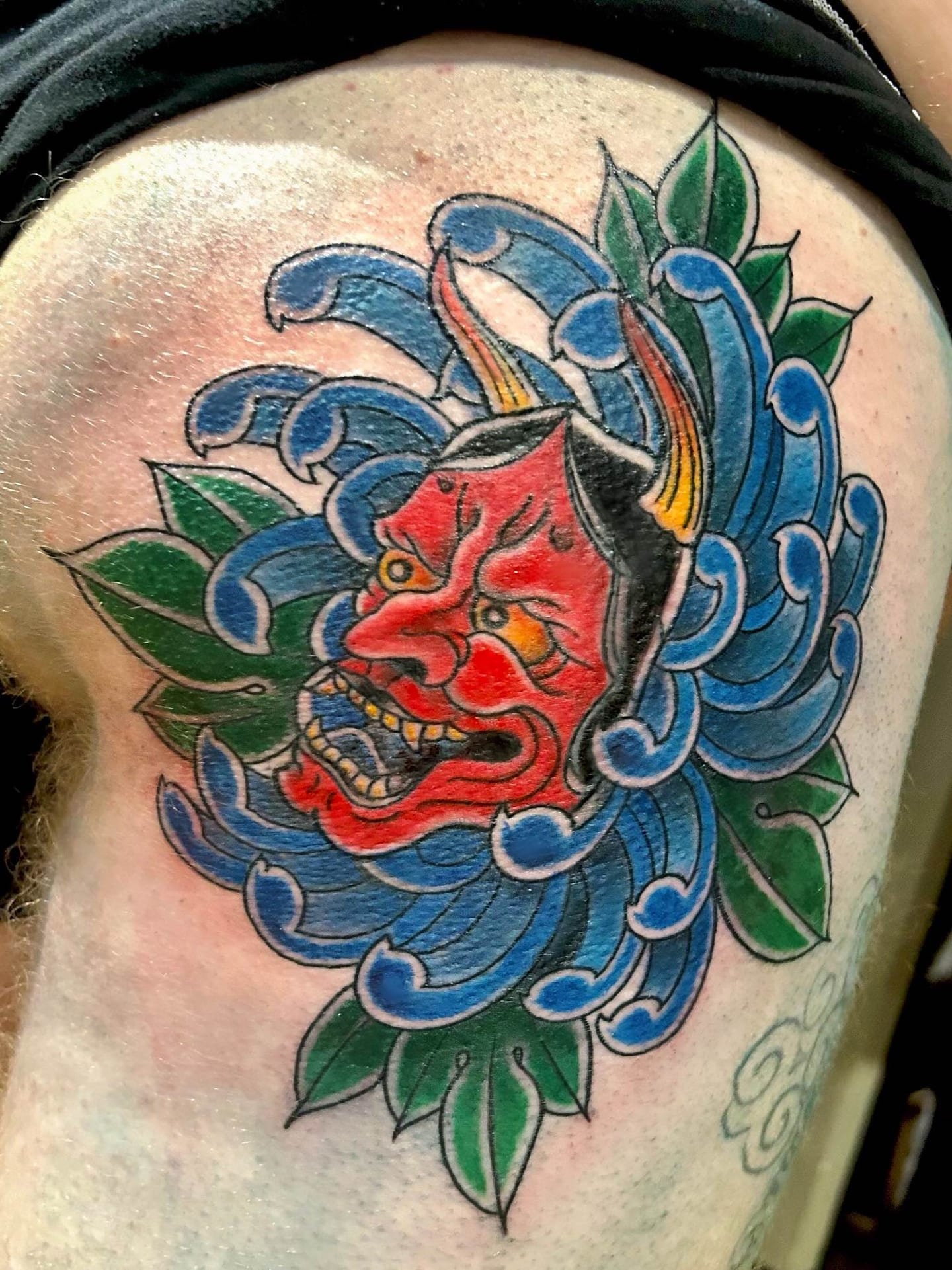
Koi, dragons, hannya masks, peonies and waves on backgrounds of wind and water: large-scale work in the Japanese tradition, planned for the whole limb.

The style
One subject, one background, the whole limb
Japanese tattooing is built around a main subject and the background that carries it. Koi, dragons, tigers, hannya and foo dogs sit in water, wind bars, clouds, cherry blossom or maple leaves, and the background is what makes a sleeve read as one piece instead of a collection.
It is planned at the scale of the body part: a half sleeve, a full sleeve, a back piece, a leg. Even a single subject is composed so the piece can grow later, with the background left open where the next chapter will go, which is why a first Japanese piece is worth a longer consultation.
Work
Japanese work from the shops
What to expect
Who to ask for Japanese
Skott Kautman
Black and grey · Horror · Polynesian
A plan first, then sessions
The consultation covers the subject, its meaning, the flow of the background and how far the piece will eventually go. The artist draws the subject and composes the background on you. Expect several sessions for a sleeve, more for a back.
Skott carries the Japanese and oriental work here, along with the horror and black and grey it often shares a body with. Color is traditional, but black and grey Japanese work is common, ages beautifully, and suits a quieter piece.
At a glance
- Subjects
- Koi, dragon, tiger, hannya, peony, snake
- Background
- Wind, water, clouds, petals
- Size
- Half sleeve and up
- Sessions
- Several
- Ink
- Color or black and grey
Questions people ask
Can I start small and build a sleeve later?
Yes, if the first piece is composed for it. Tell the artist the long-term plan at the first consultation and the subject is placed and sized to grow.
Do the motifs have fixed meanings?
Many do: koi for perseverance, the dragon for wisdom and strength, hannya for jealousy and rage, peonies for wealth. The artist will tell you what a combination says before you commit.
Why does the background matter so much?
Without it, a sleeve is separate pictures. With it, the eye travels around the arm in one movement. It is also what makes the piece readable from a distance years later.