
Dot work and stippling
Shading built one dot at a time: soft gradients, textured fills and ornamental shading that stays crisp because every mark is separate.

The style
Tone from dots
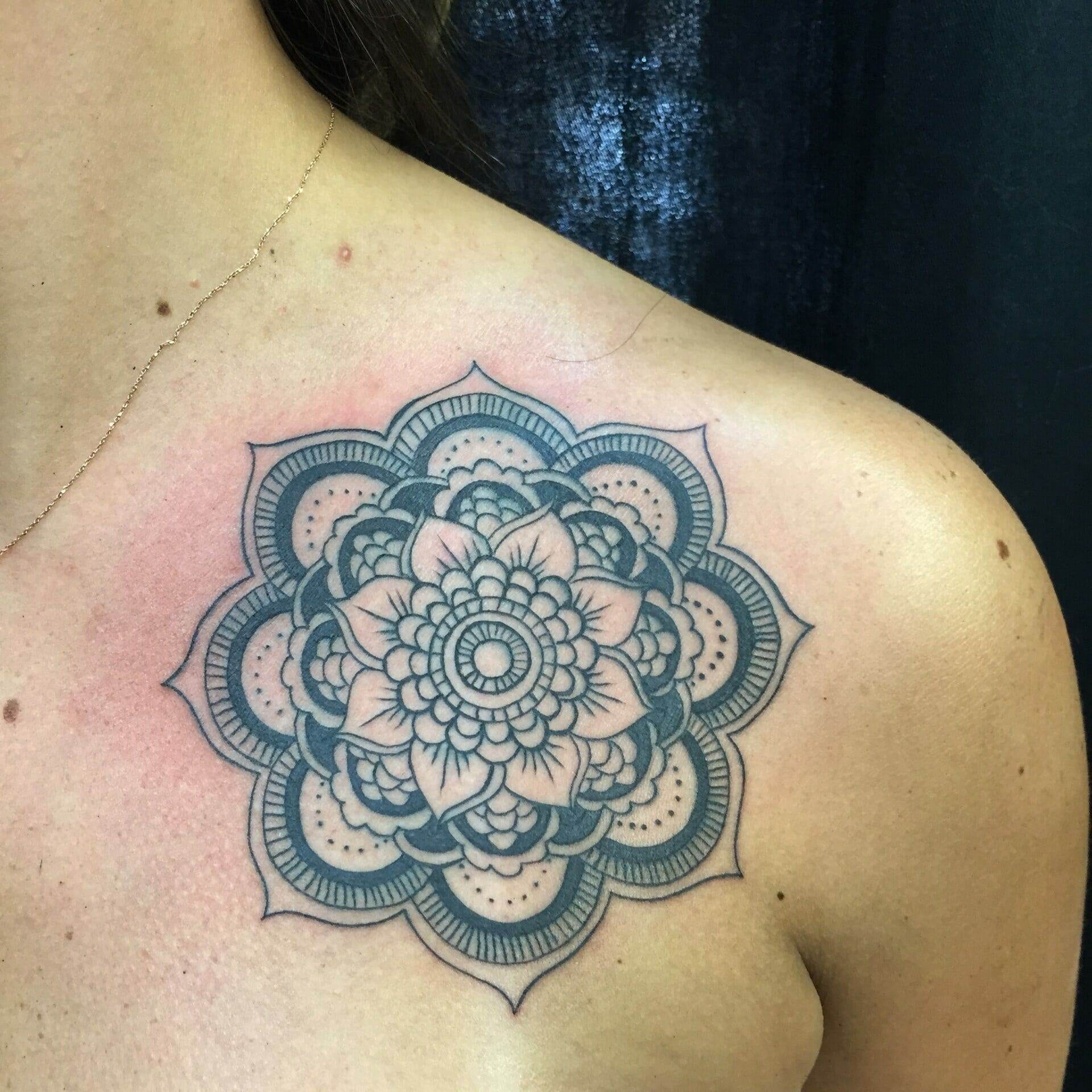
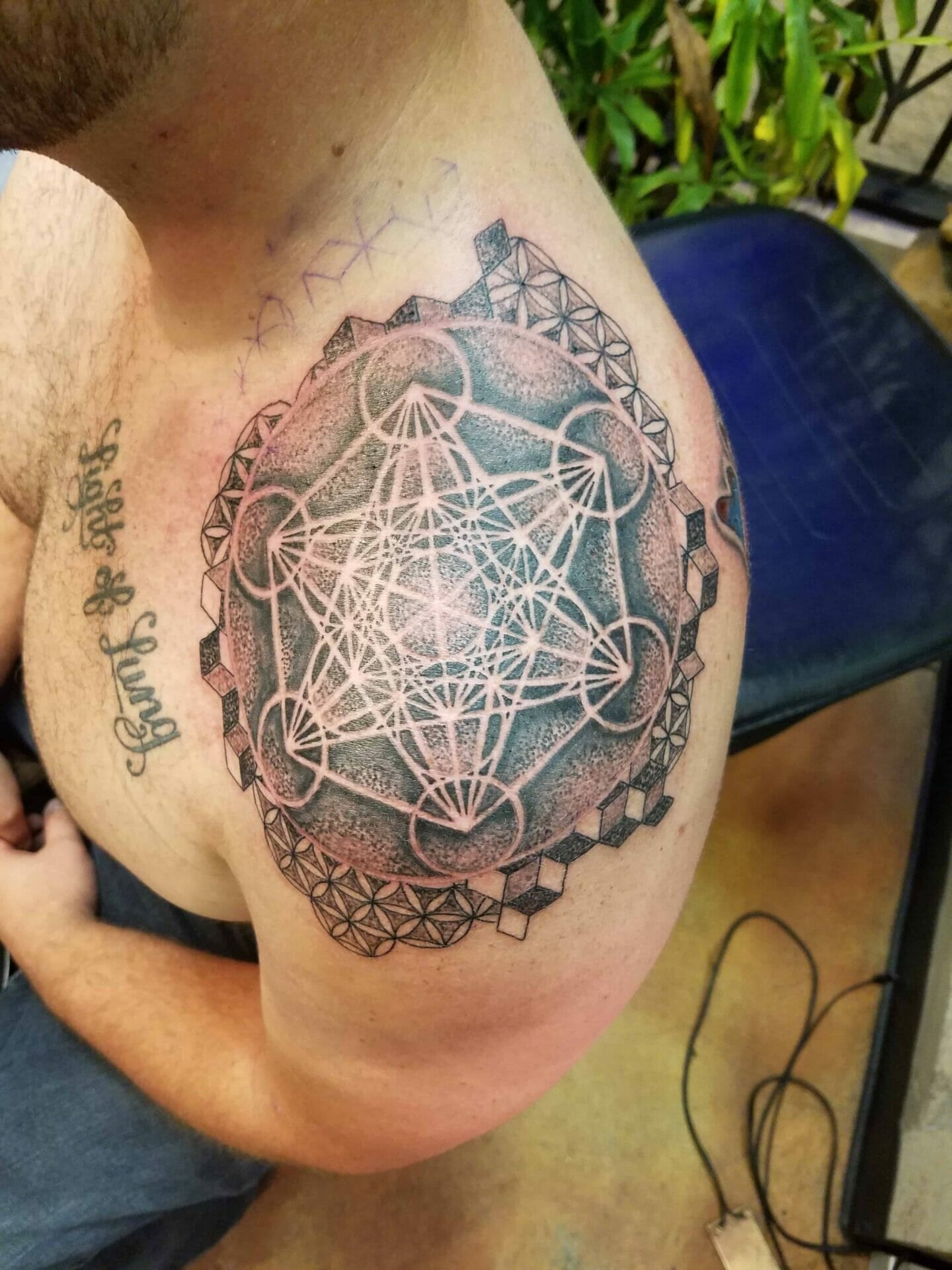
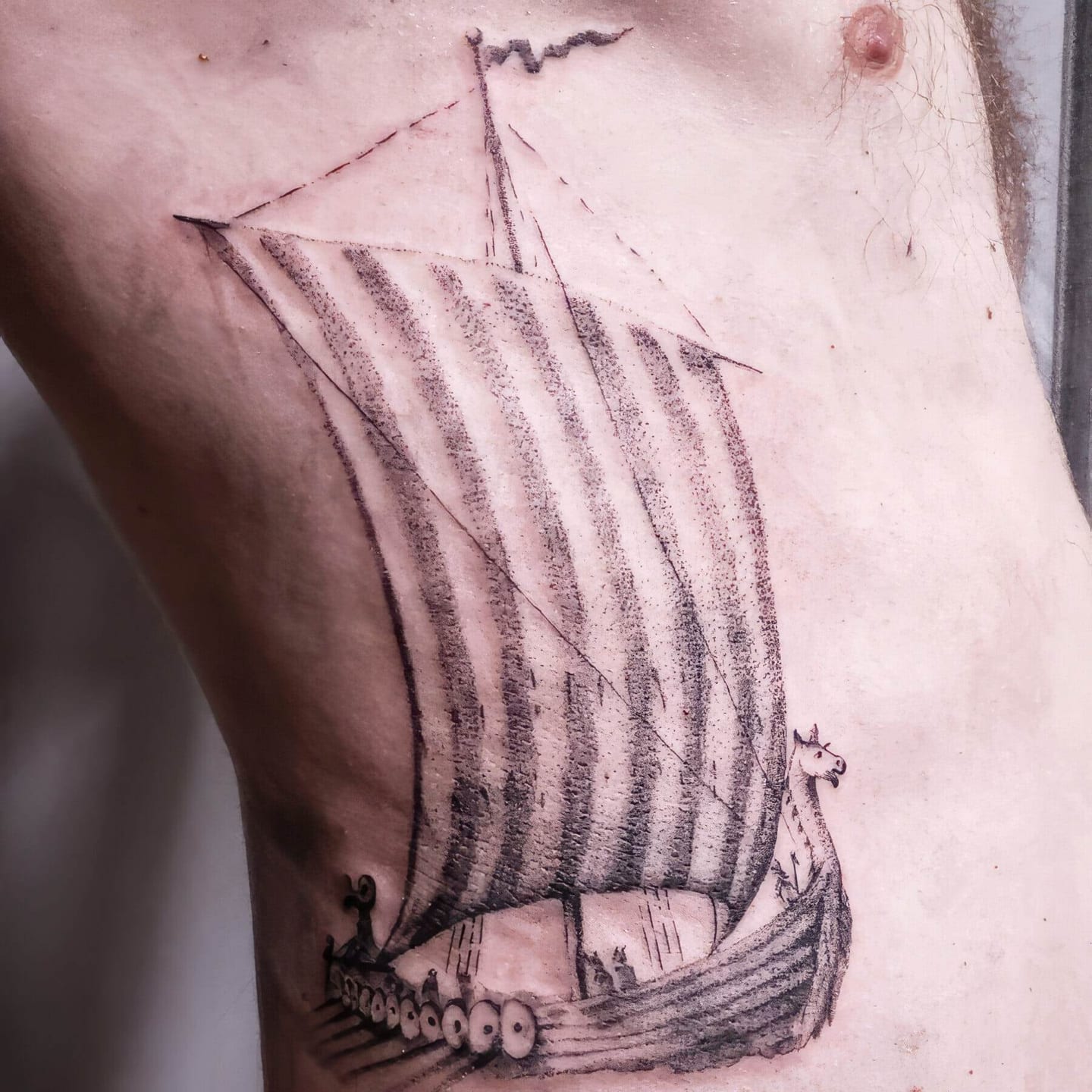
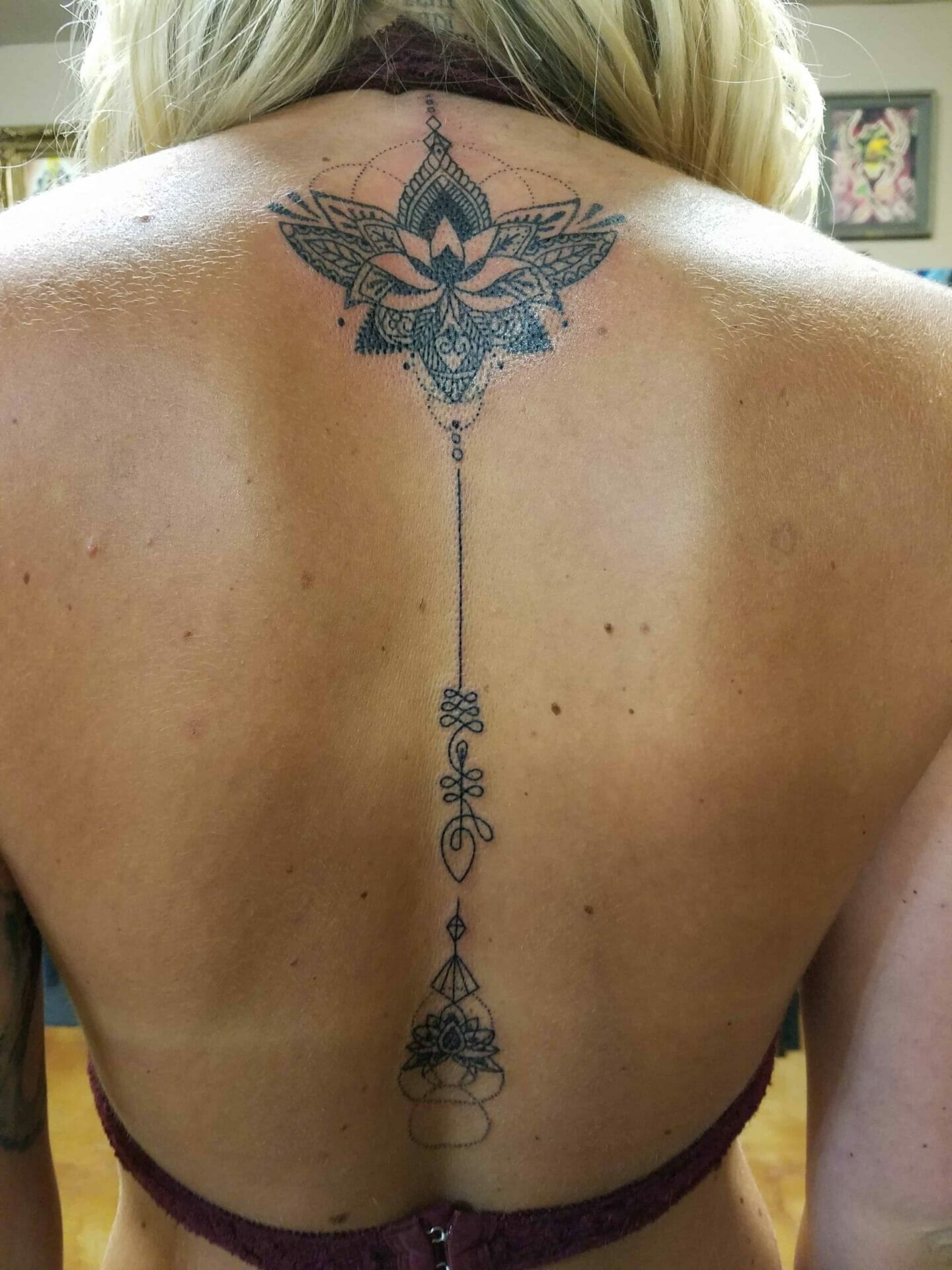
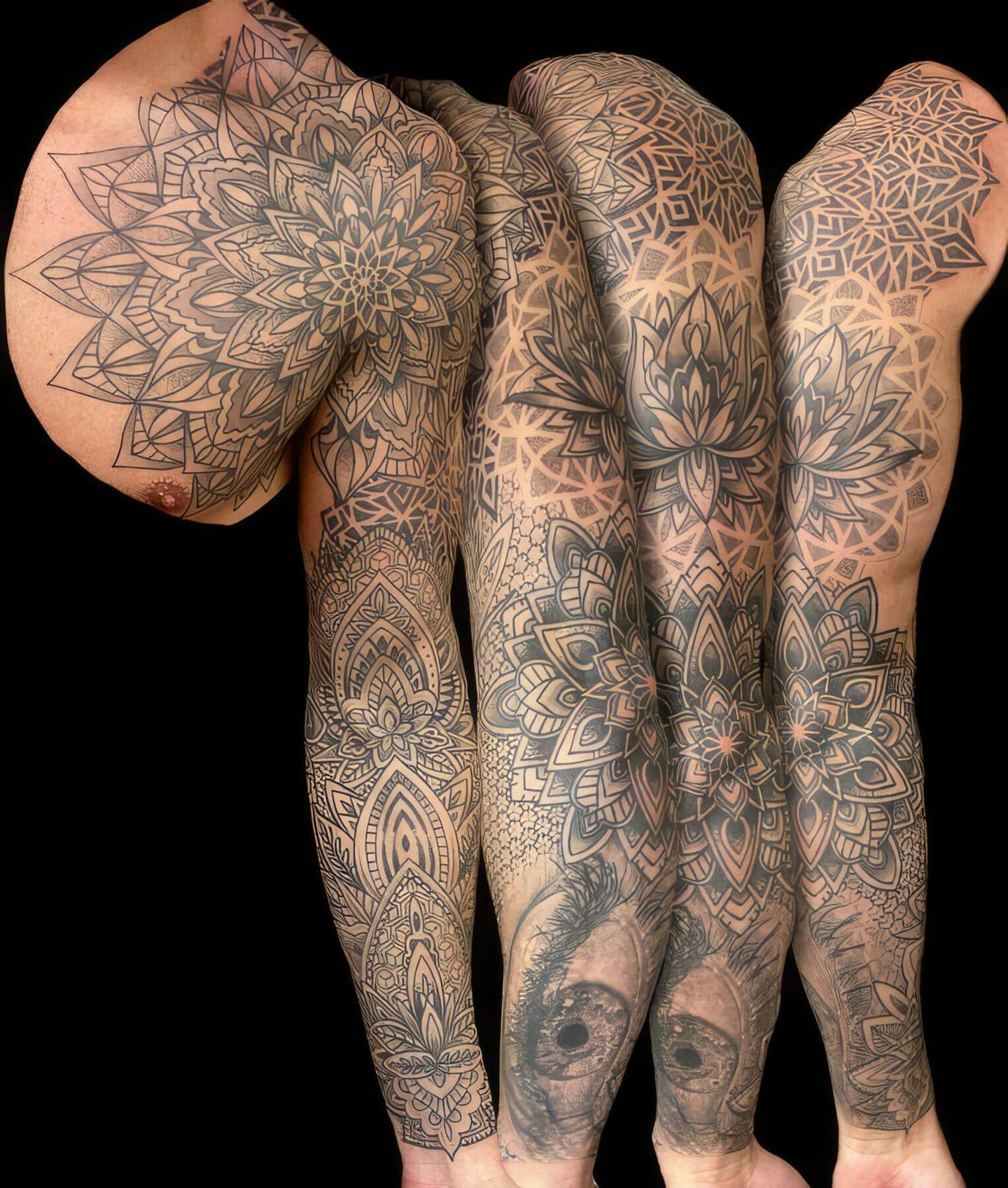
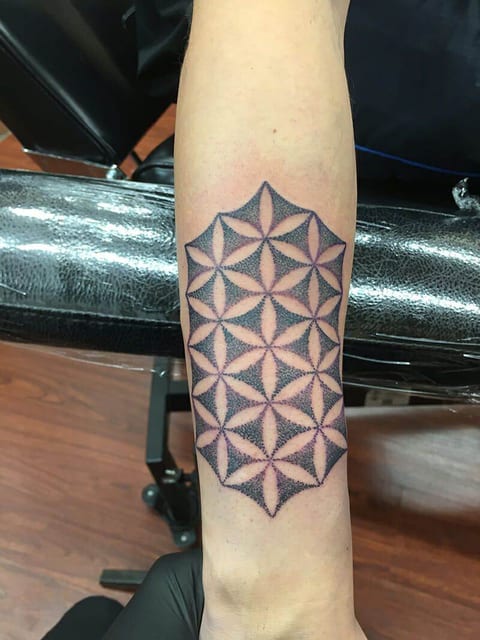
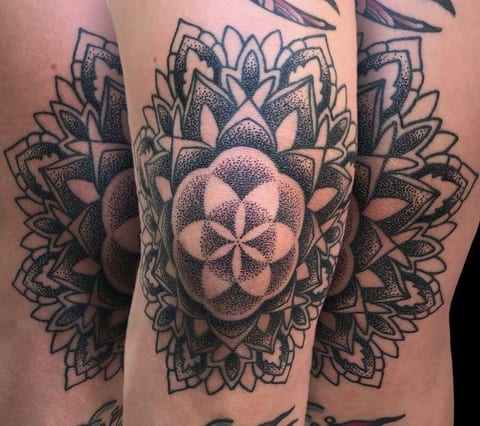
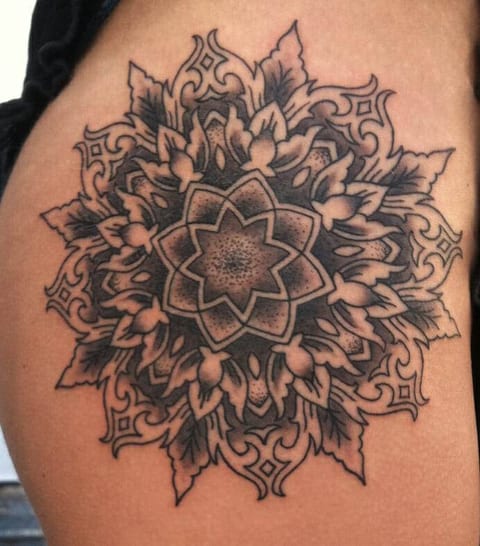
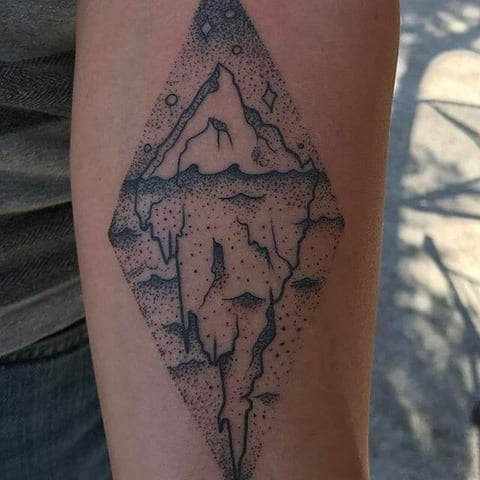
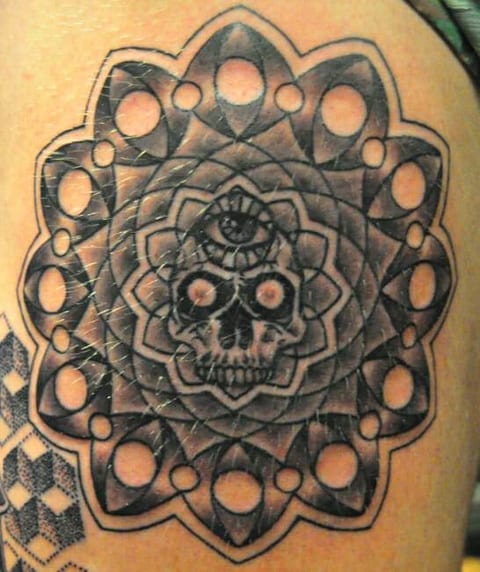
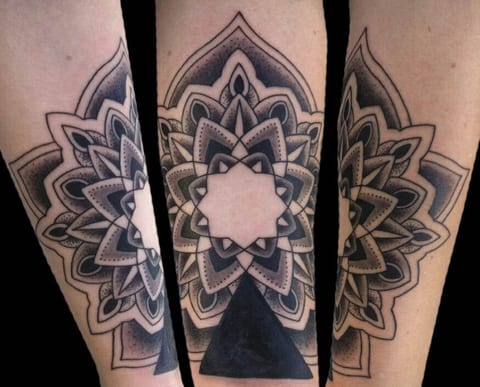
Stippling makes shade by density: more dots, darker tone. Dot work tattoos use it for everything from soft gradients inside a mandala to textured animals and botanicals. Because each dot is a separate mark with skin between, the shading does not blur the way a smooth wash can.
It pairs naturally with geometric and illustrative work and is often done in black alone. The texture is the point: from across the room a dot-shaded piece reads as soft grey, and up close it dissolves into thousands of separate marks, which is a quality no other shading has.
Work
Dot work from the shops
What to expect
Who to ask for dot work
Hunter Knolmayer
Biomechanical · Illustrative · Geometric
Slow by design
Dot work takes time; a fill that would be minutes with a shader is hours one dot at a time, so sessions are longer or more frequent for the same area. The sensation is a light tapping rather than a long drag, which many people find easier.
Hunter carries dot work here, often inside sacred geometry and mandala pieces. He will tell you at the consultation how many sessions the fill needs, because a dotted gradient takes far longer than a smooth one of the same size.
At a glance
- Look
- Gradients and texture from dots
- Ink
- Black
- Sessions
- Longer than smooth shading
- Ageing
- Excellent when dots are spaced
- Artist
- Hunter
Questions people ask
Do the dots spread?
Each dot softens a little over the years, which is why the artist leaves space between them. Dense dot fields age like smooth shading; spaced ones stay textured.
Does it hurt less?
Many people say so: taps instead of drags. It is still a tattoo, and long sessions add up.
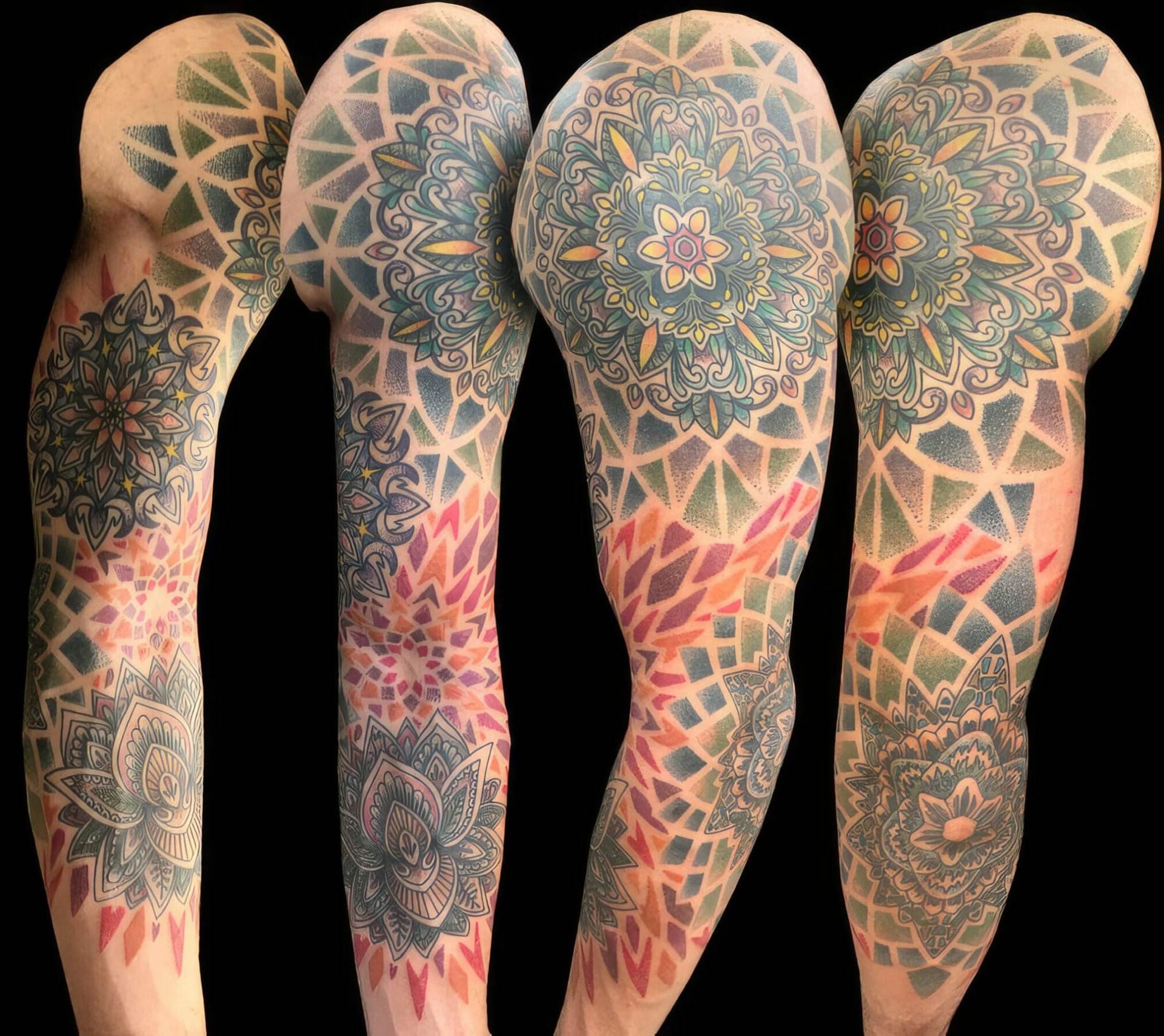
Can dot work be colored?
Yes, though it is usually black. A single color in the dots makes a striking accent.