
Illustrative
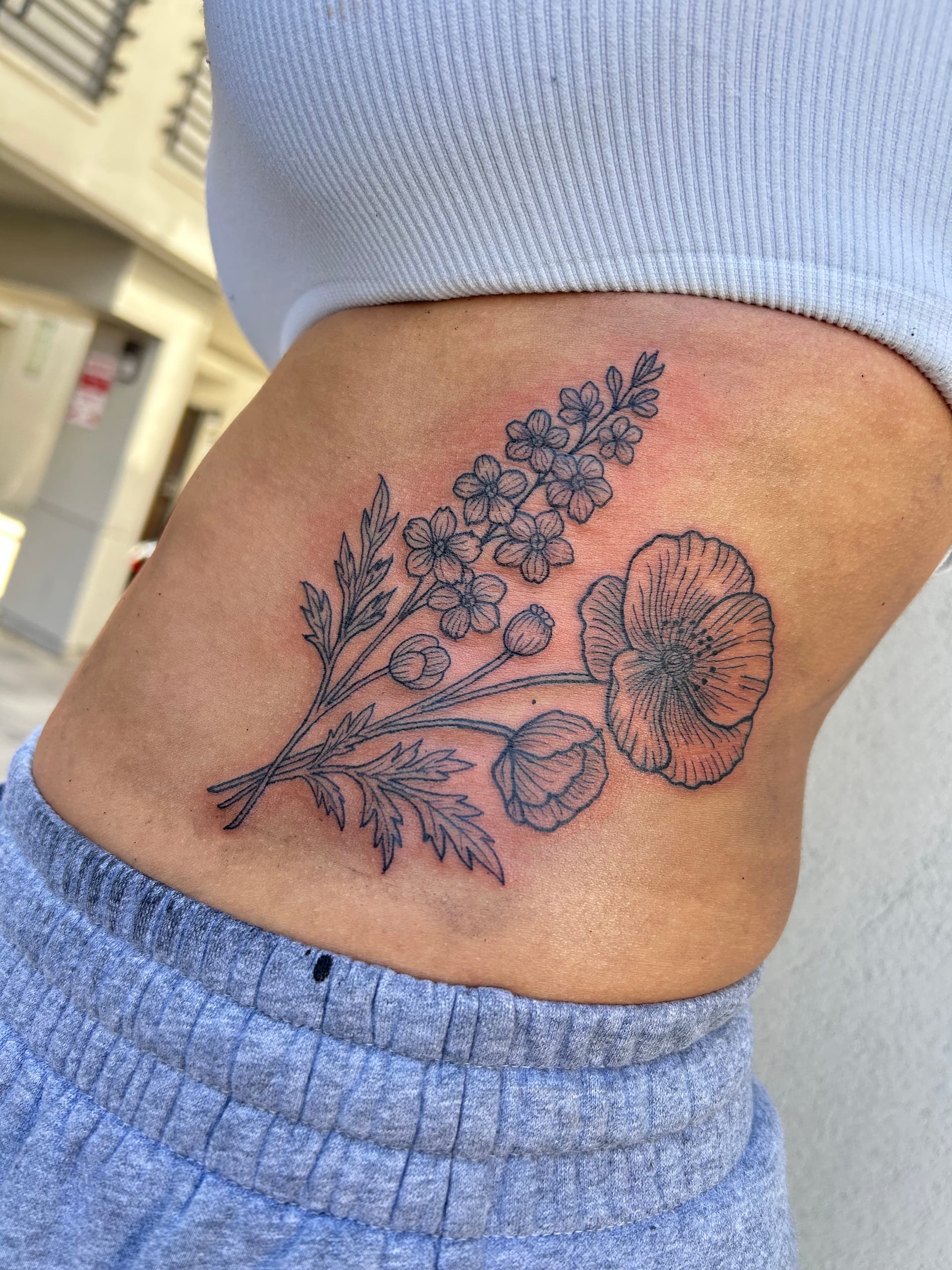
Tattoos that look drawn: linework, whip shading, hatching and fine line, from storybook pieces to engraving-style work.

The style
Drawn, not painted
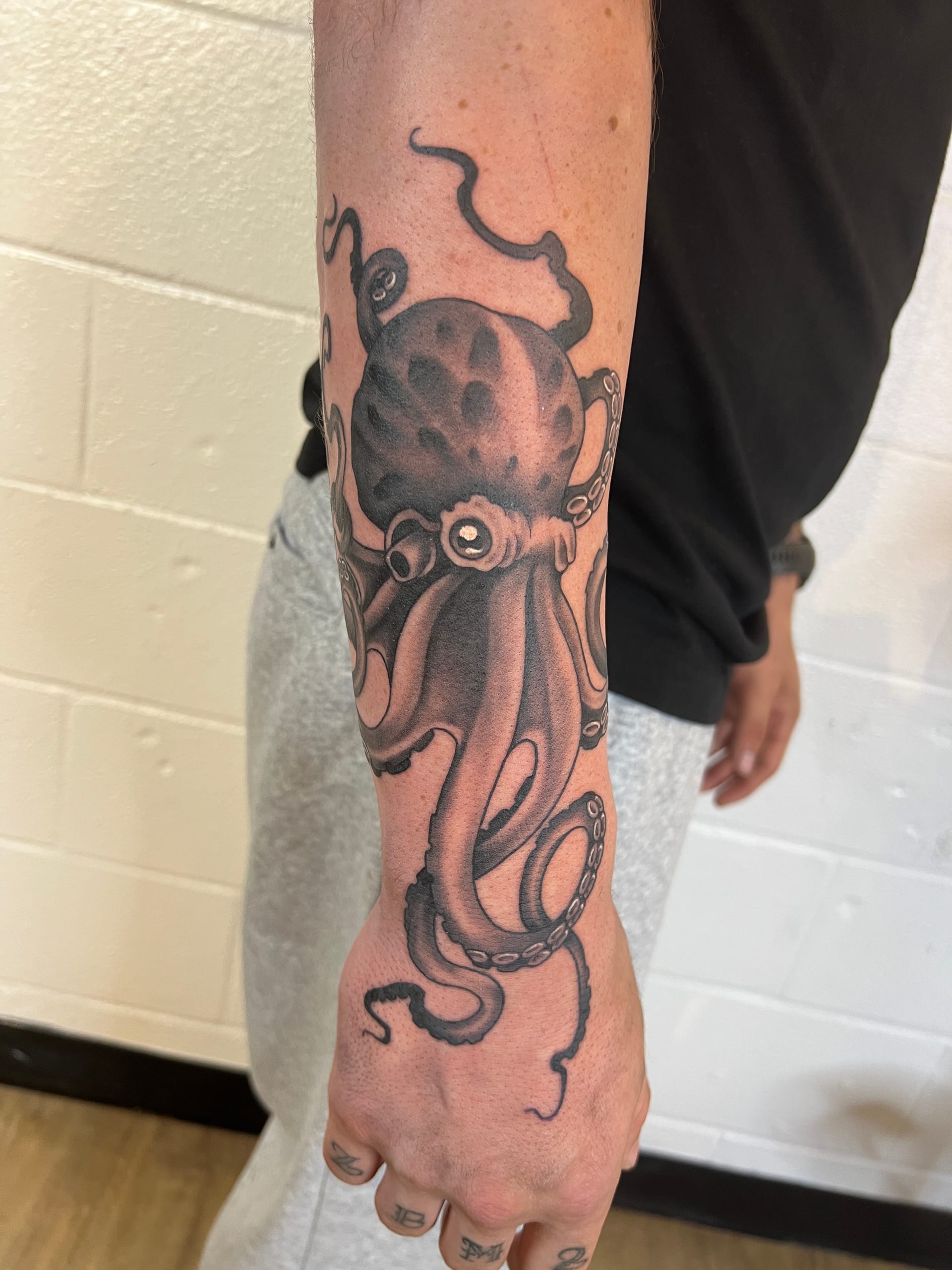
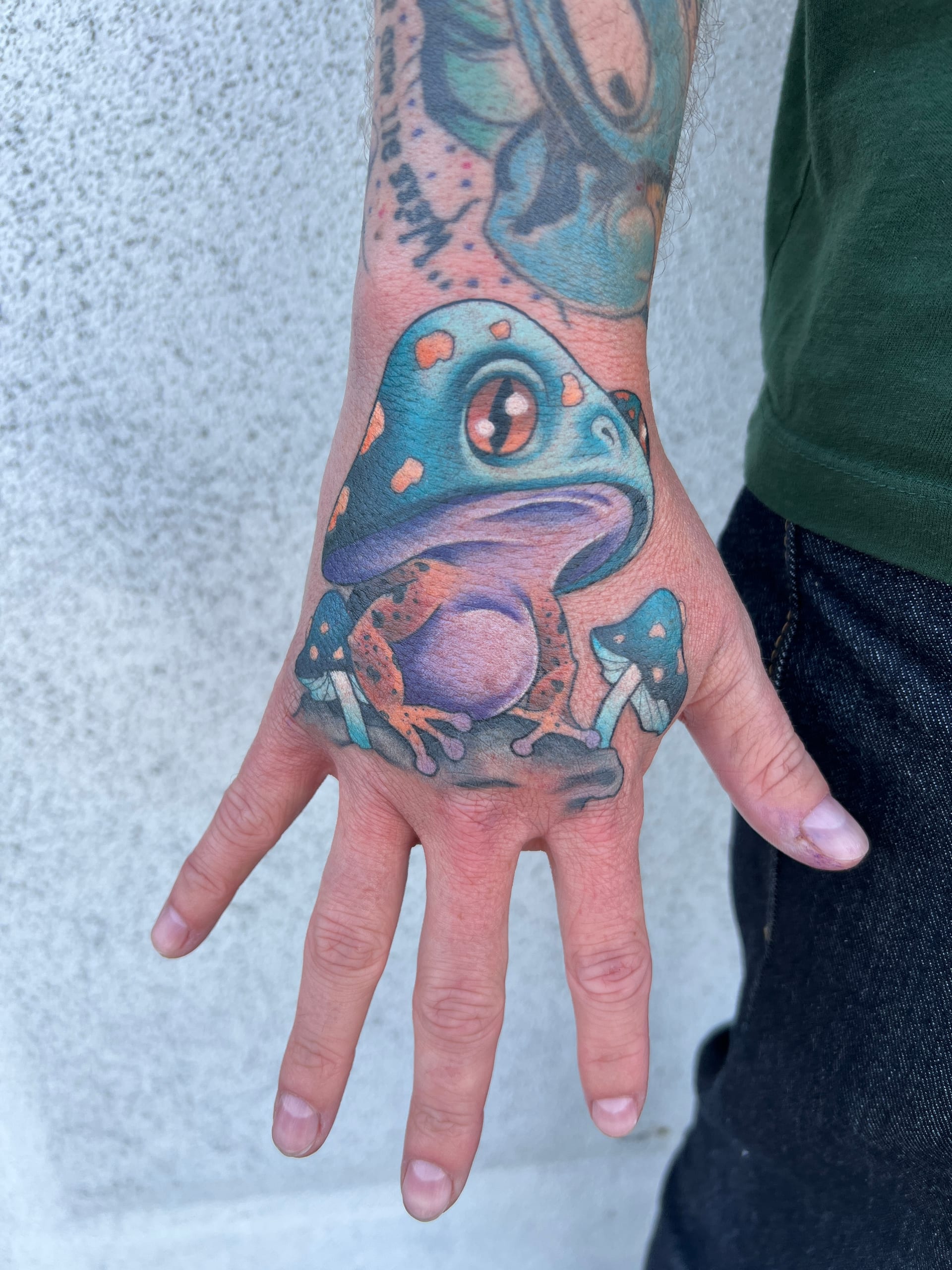
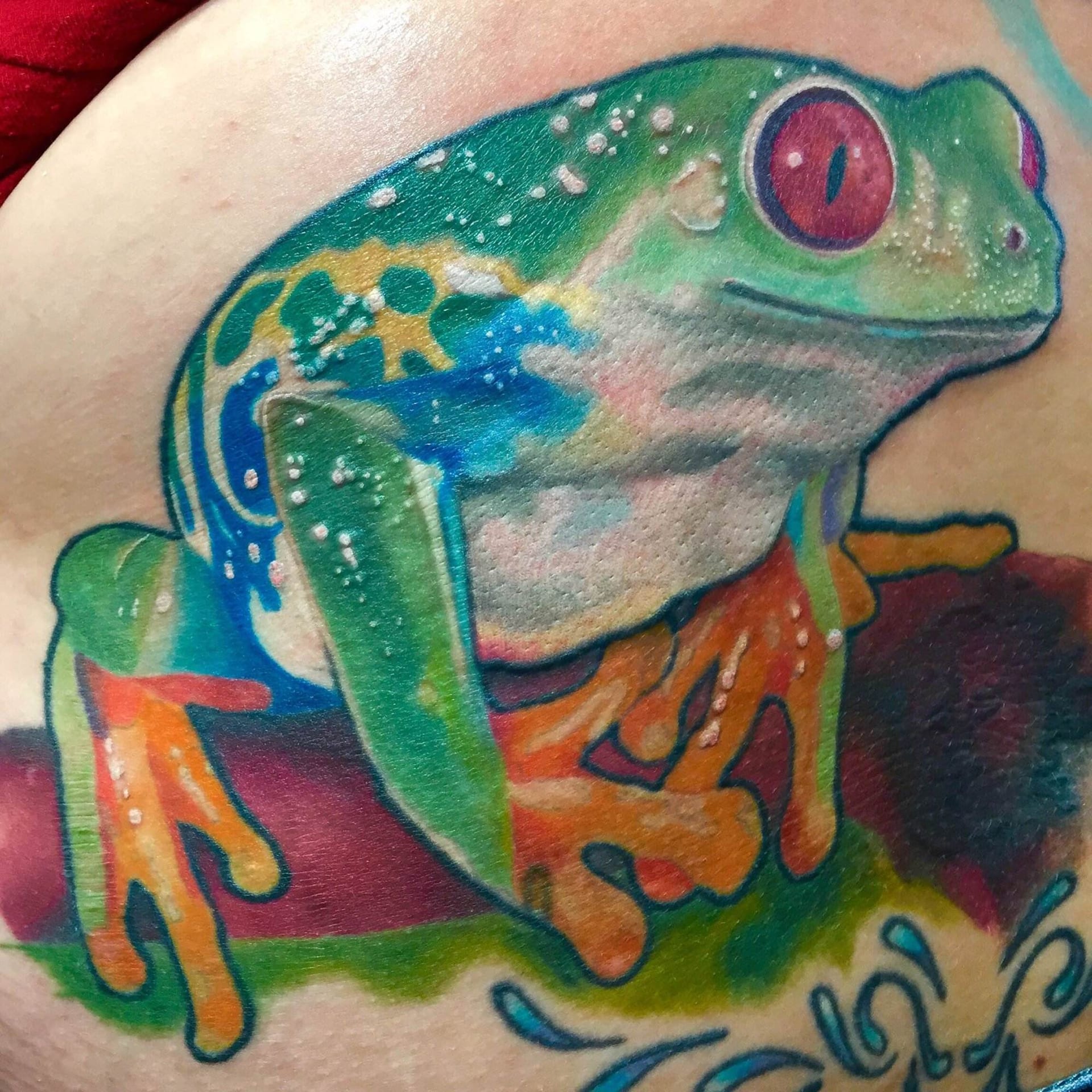
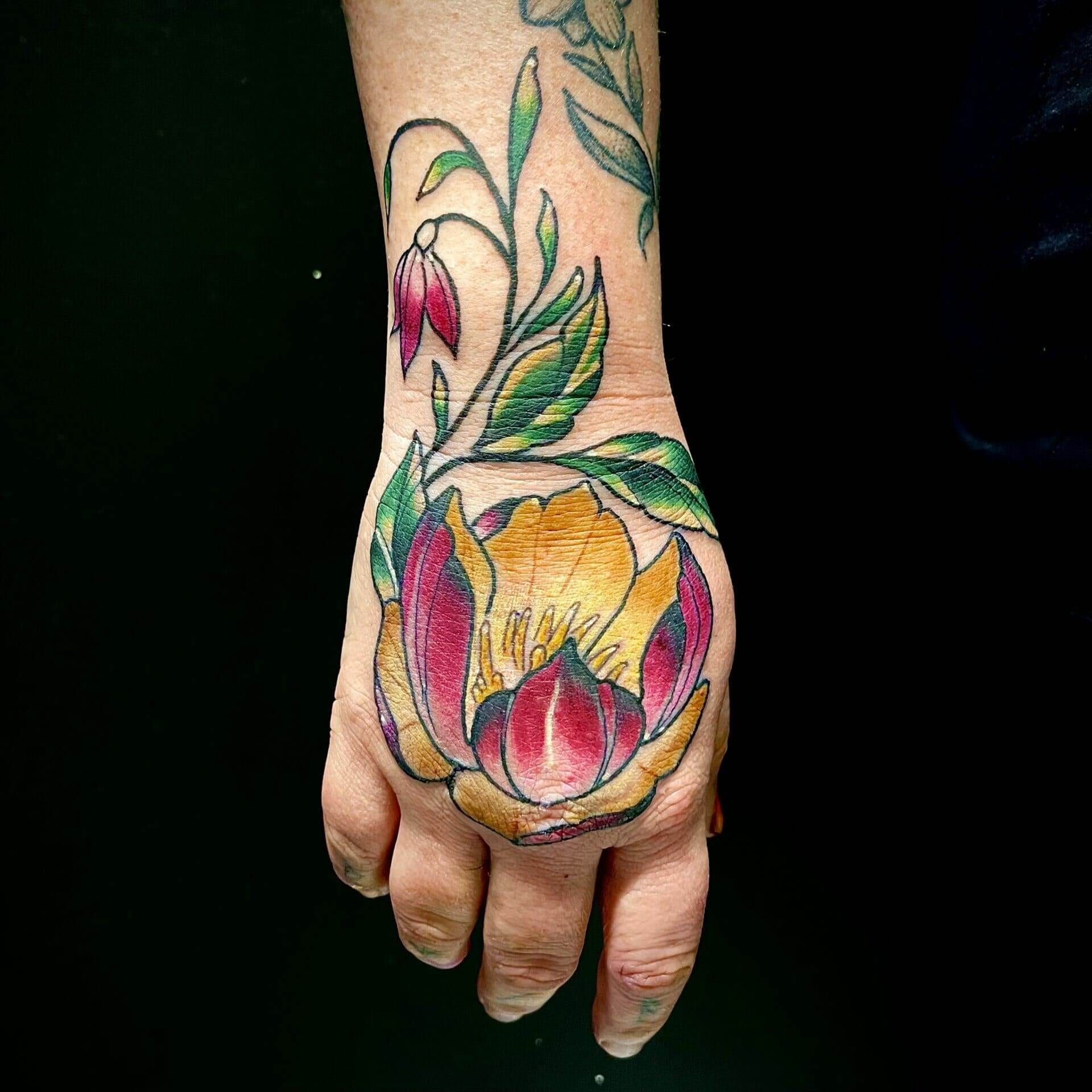
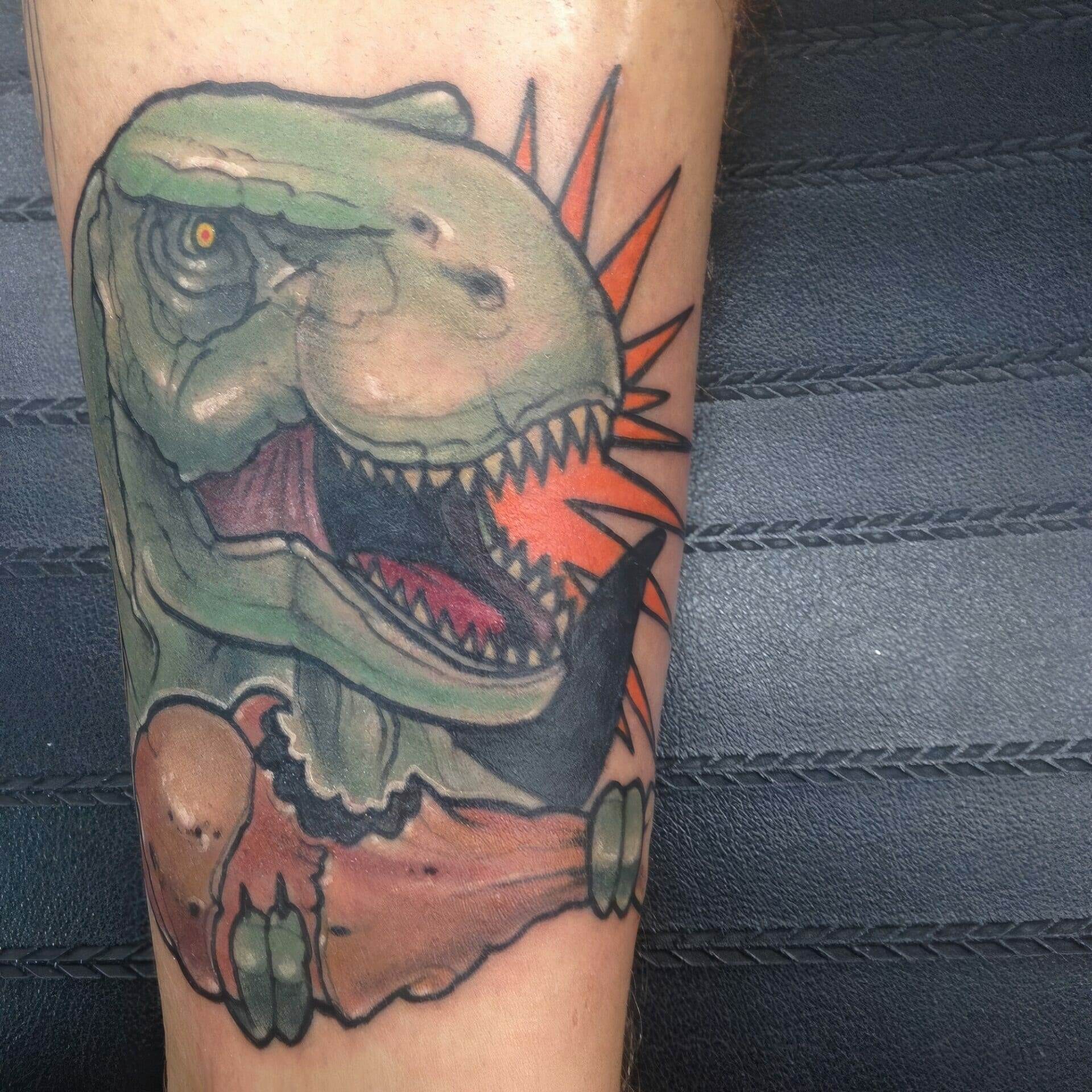
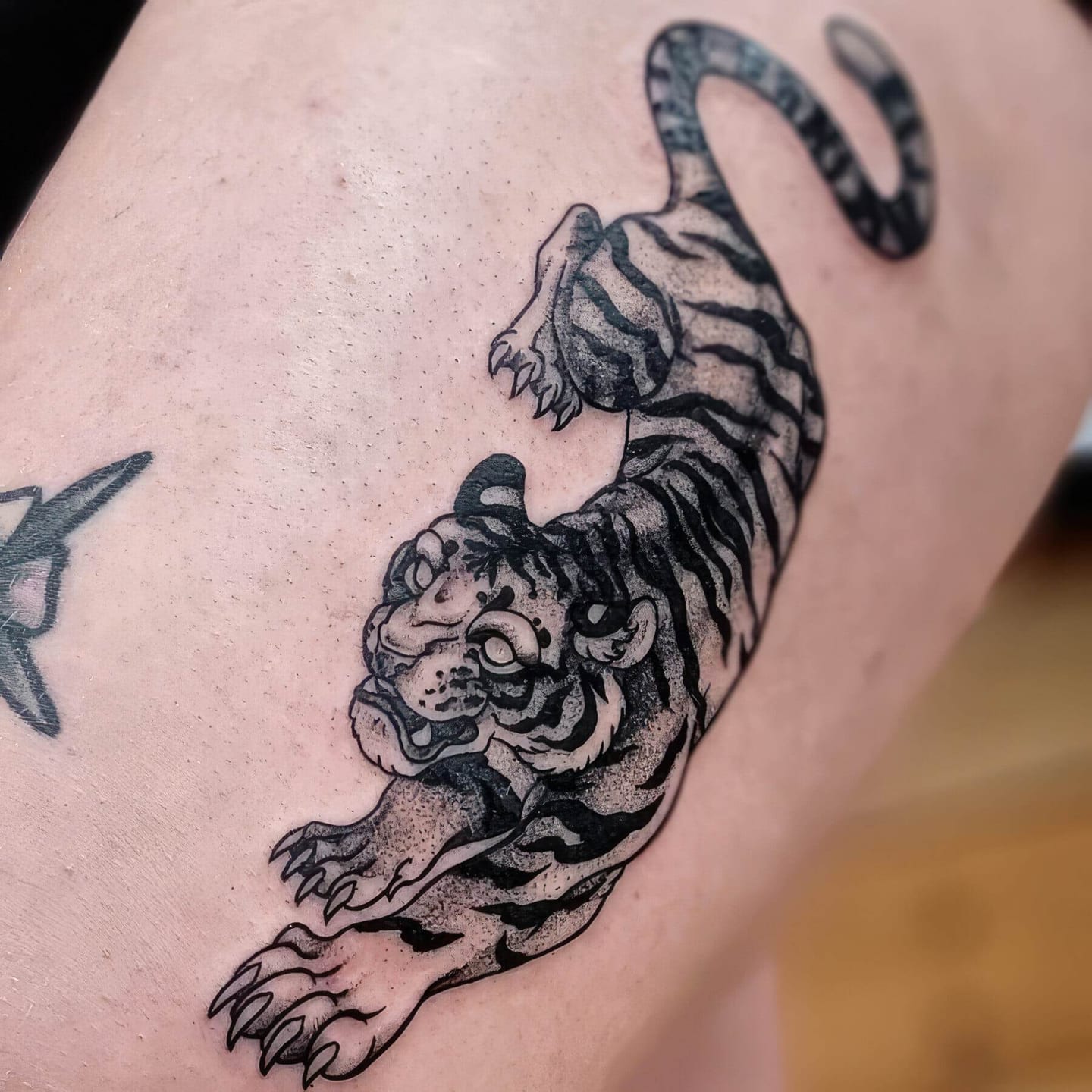
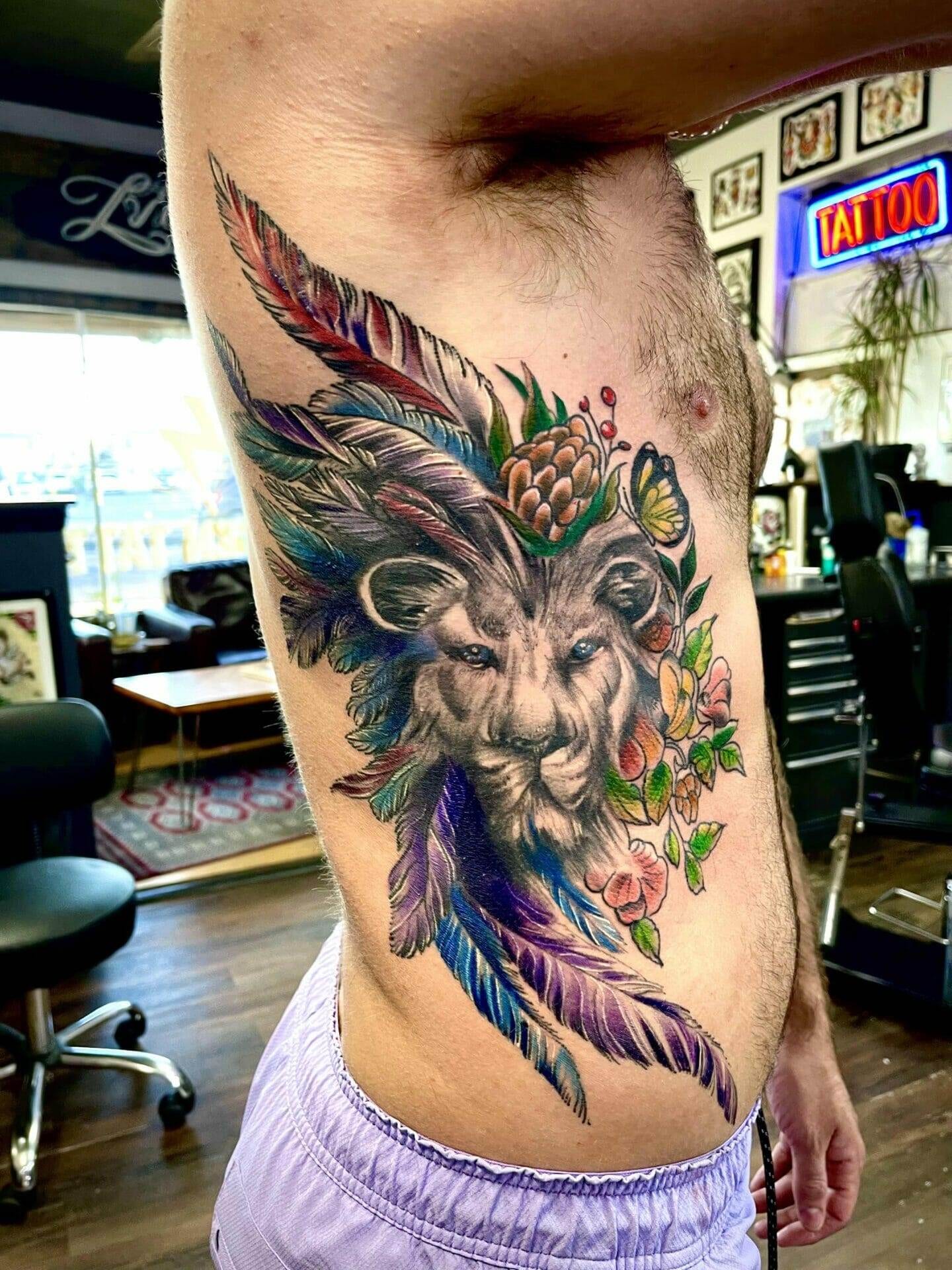
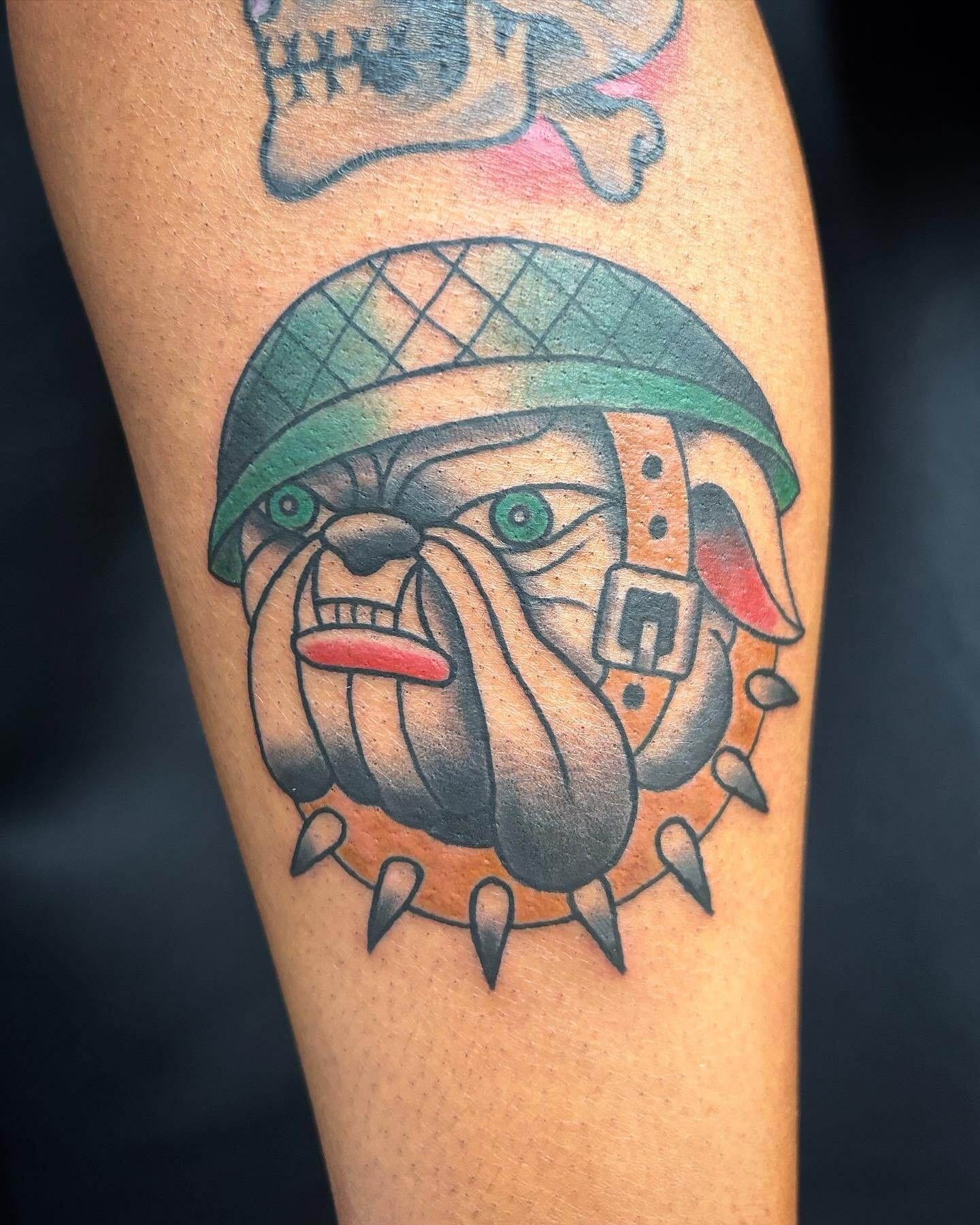
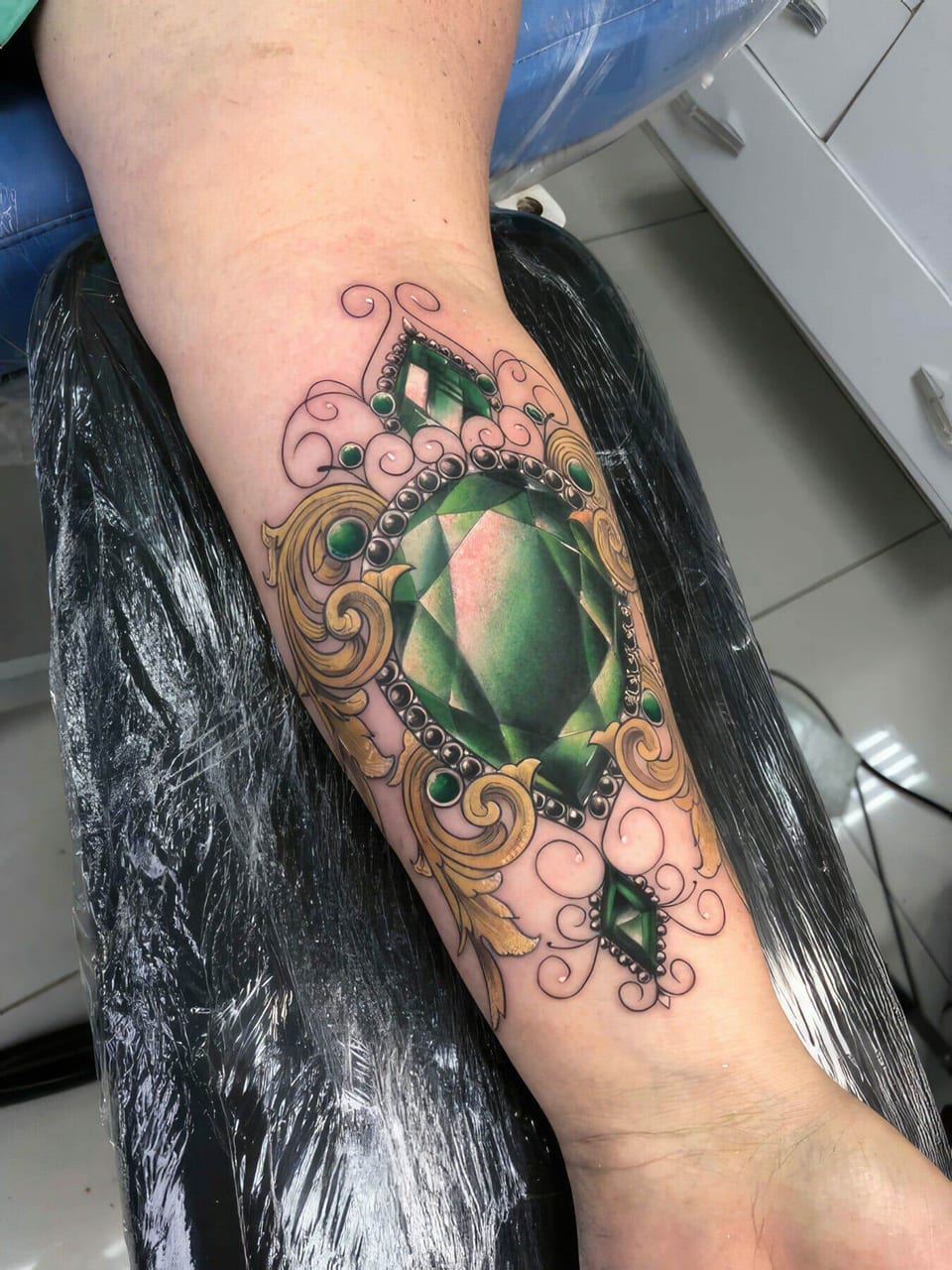
Illustrative tattooing keeps the hand visible: lines you can see, shading built from strokes, dots or hatching rather than smooth gradients. It ranges from storybook and sketch styles to engraving and woodcut looks, and fine line sits at its small, precise end.
It suits subjects with a story: animals, botanicals, figures, objects, scenes. Because the hand stays visible, each artist's illustrative work looks like them, which is why the portfolios matter more here than in any other style; find the drawing you like and book its maker.
Work
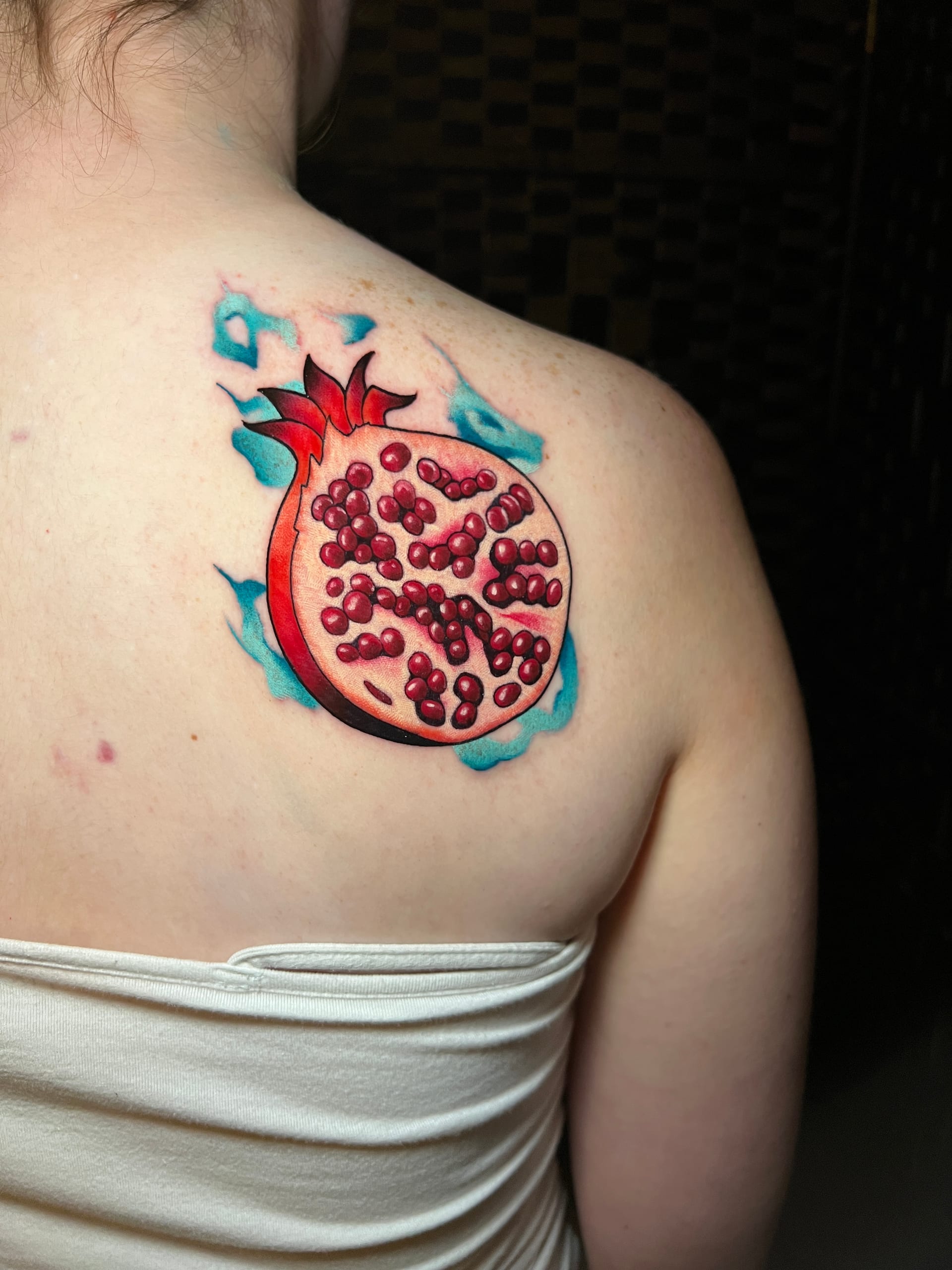
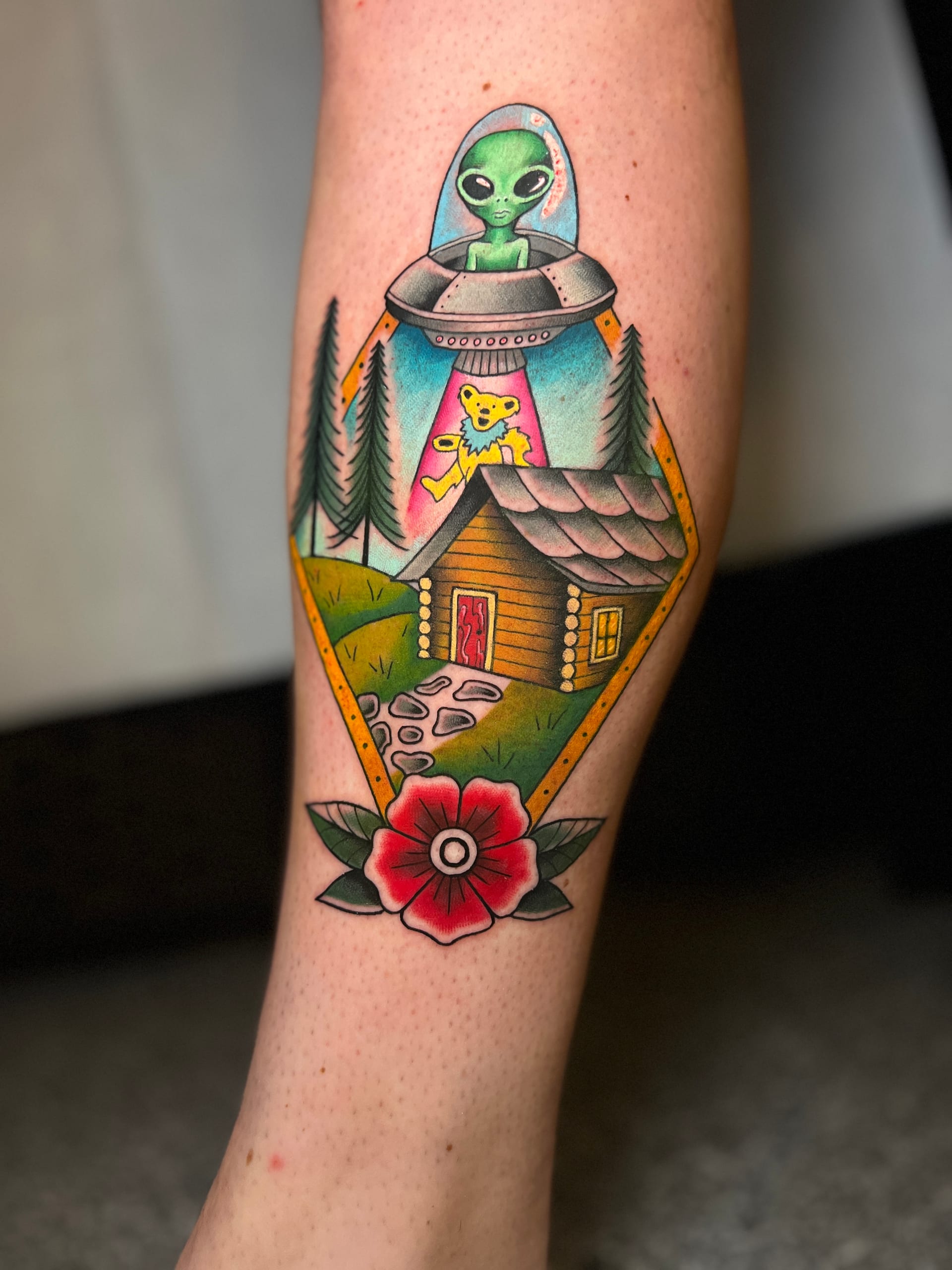
Illustrative work from the shops
What to expect
Who to ask for illustrative
Madison Sweet
Neo traditional · Traditional
Stellie
Black and grey · Floral
Slaine
Traditional · Neo traditional · Black and grey
Hunter Knolmayer
Biomechanical · Geometric · Dot work
Diego Perugini
Black and grey · Realism · Portraits
Linework first
The drawing is the tattoo, so the consultation is about the drawing: how much line, how much shading, how it will hold at the size you want. Fine line pieces have minimums for a reason; lines placed too close blur together over the years.
Stellie works fine line and black and grey; Slaine, Hunter, Madison and Diego each bring an illustrative hand of their own. The consultation is about how much line and how much shading the piece needs to hold at the size you want.
At a glance
- Look
- Visible linework, stroke shading
- Ink
- Black and grey, sometimes color
- Sessions
- Usually one
- Fine line
- Small, exact, placed with care
- Artists
- Stellie, Slaine, Hunter, Madison, Diego
Questions people ask
How small can fine line go?
Smaller than most people think, with a limit: lines need space between them to stay separate as the skin ages. The artist will tell you the smallest size that will still read in ten years.
Does fine line fade faster?
Thin lines have less ink, so they soften sooner than bold work. Good placement, sunblock and a touch-up when needed keep them sharp.
Can an illustrative piece have color?
Yes. Many illustrative pieces use a single color or a limited palette over black linework.