
Portraits
Faces, pets and people who matter, tattooed from a photograph: the most personal work we do, and the work where the reference decides everything.

The style
A likeness, not just a face
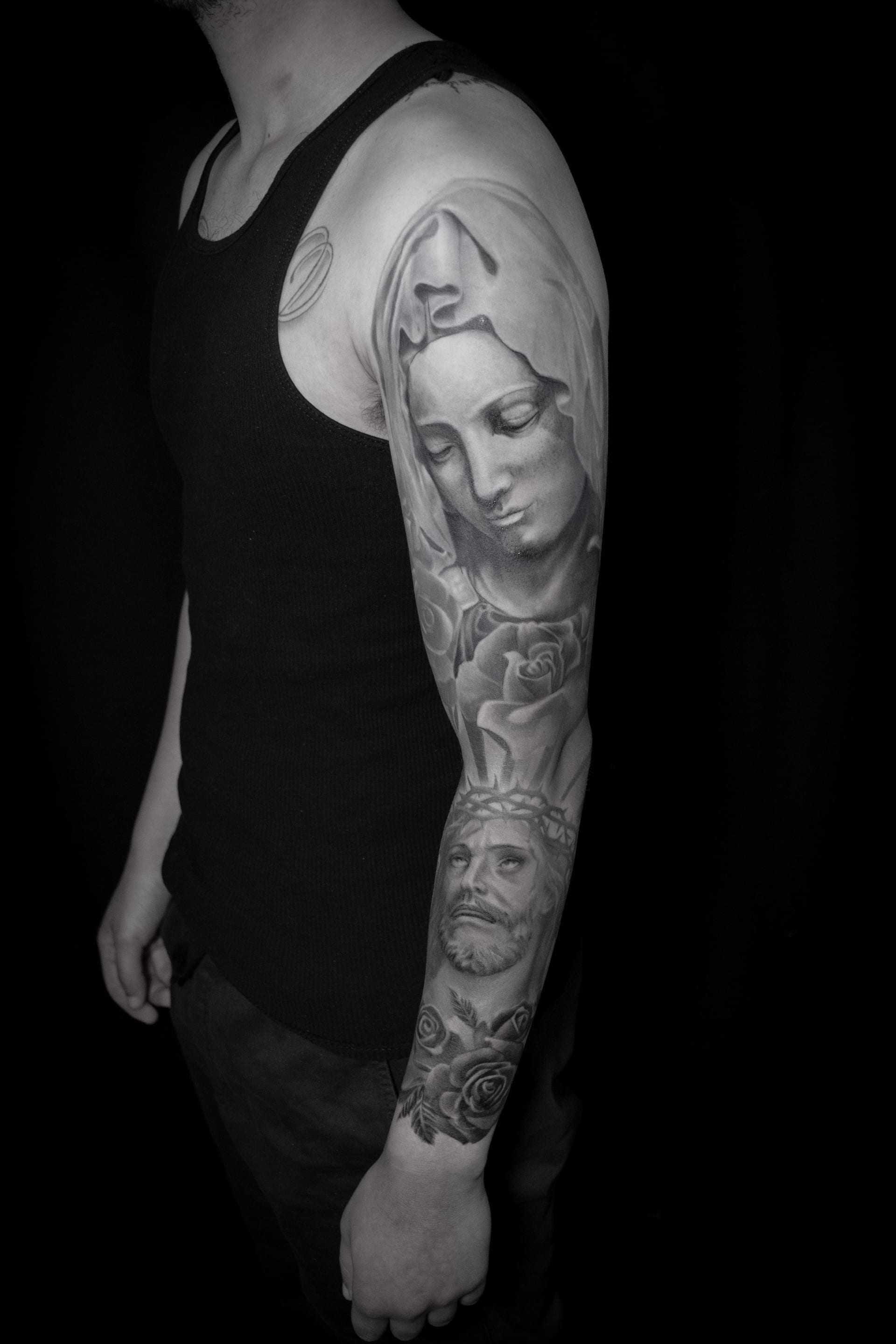
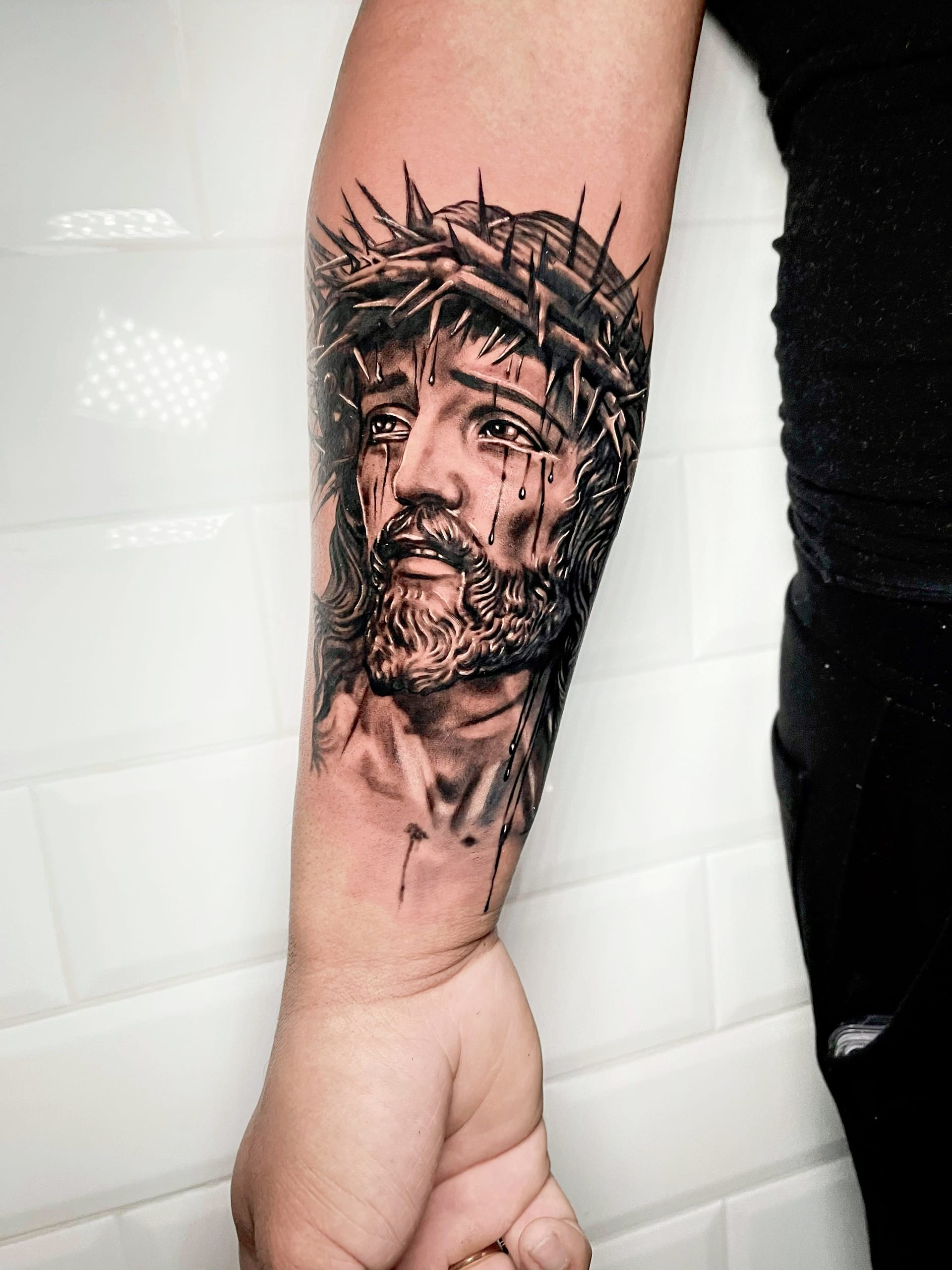
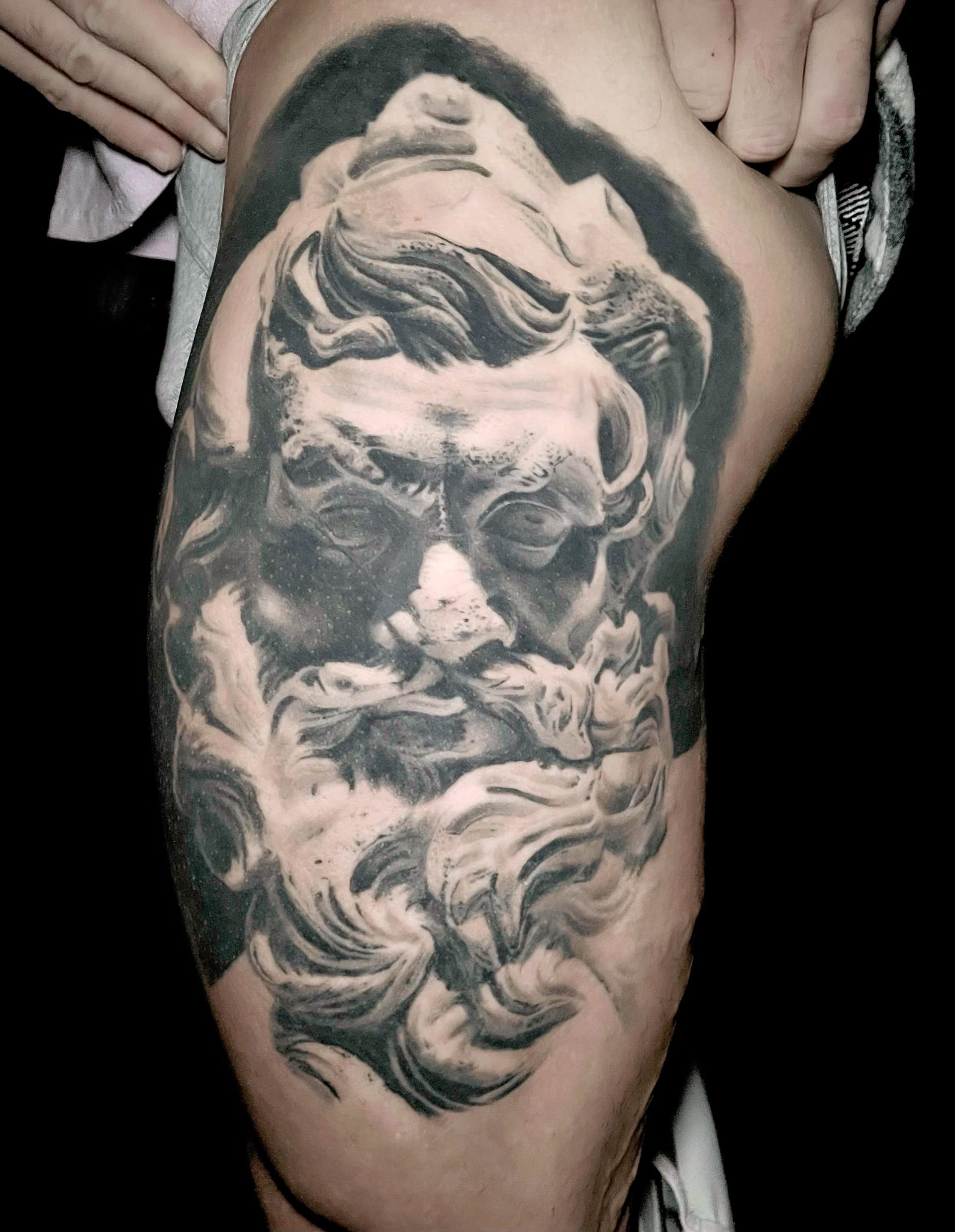
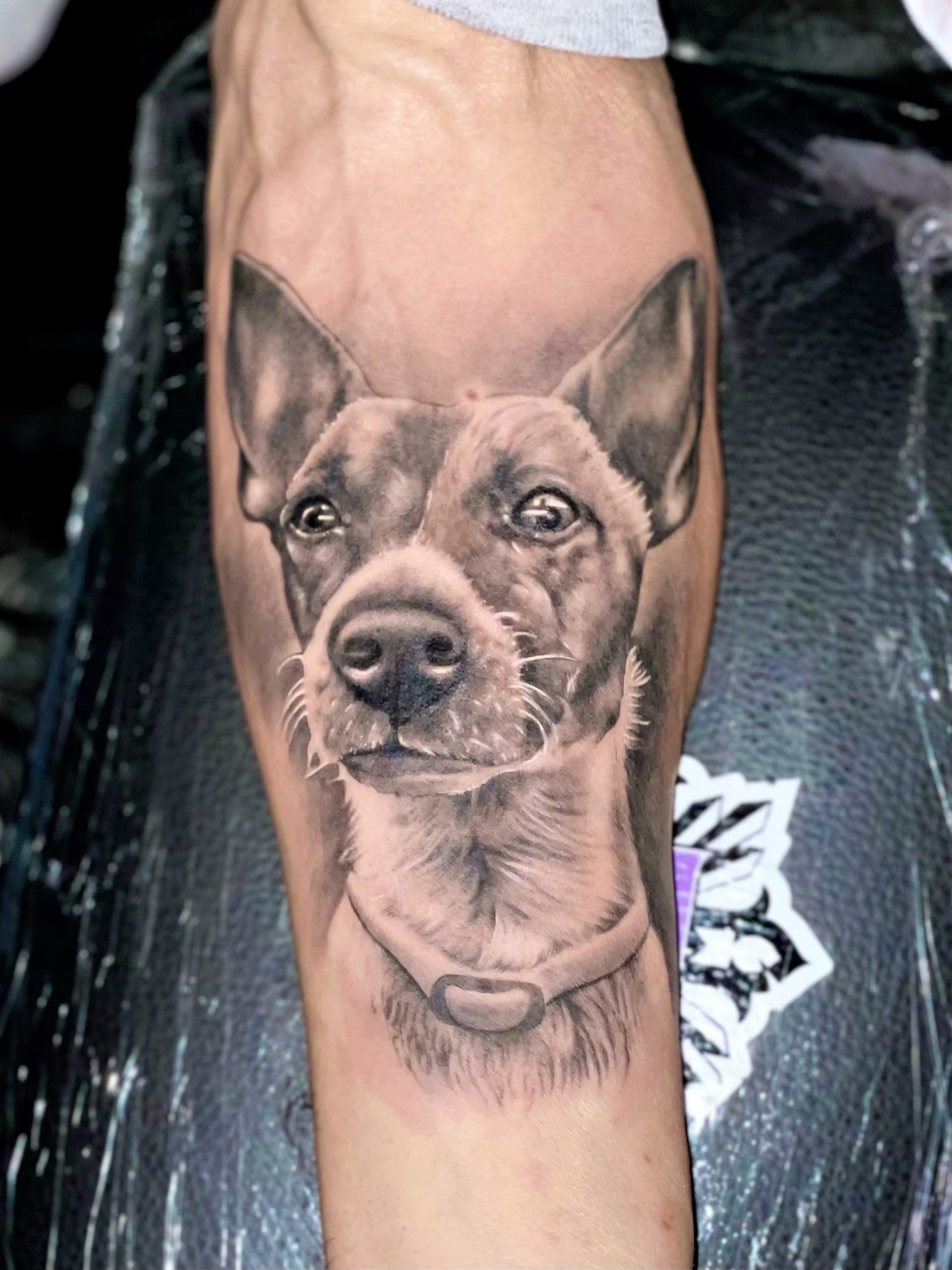
A portrait tattoo has one job: the person who knew the subject has to see them in it. That comes from the eyes, the set of the mouth and the light, which is why the photograph matters more than anything the artist does afterward.
Portraits are realism at its most demanding, and they are the pieces people cry over when the mirror comes out. They are also the pieces that go wrong most often, which is why we are strict about the reference before we agree to one.
Work
Portraits from the shops
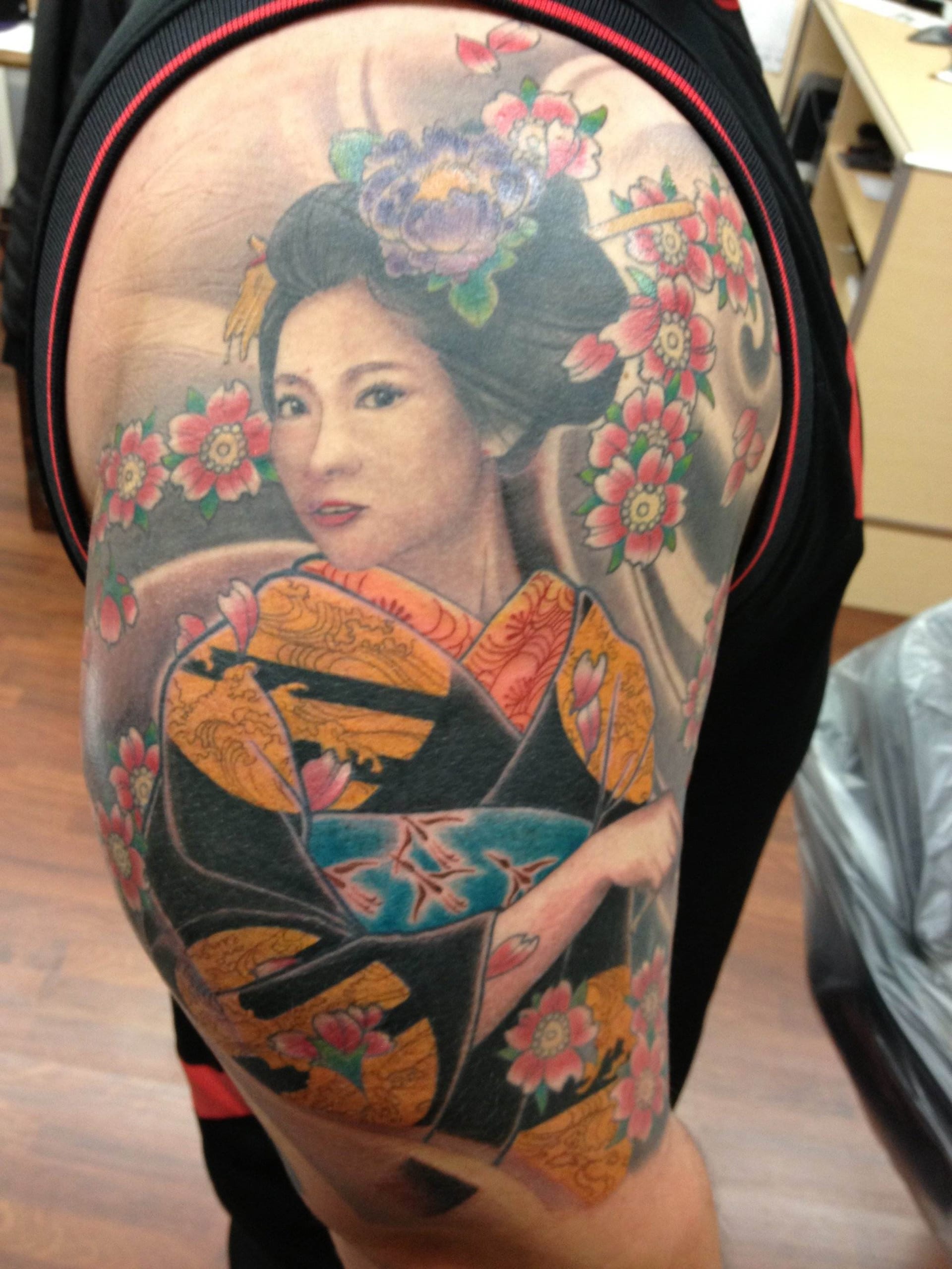
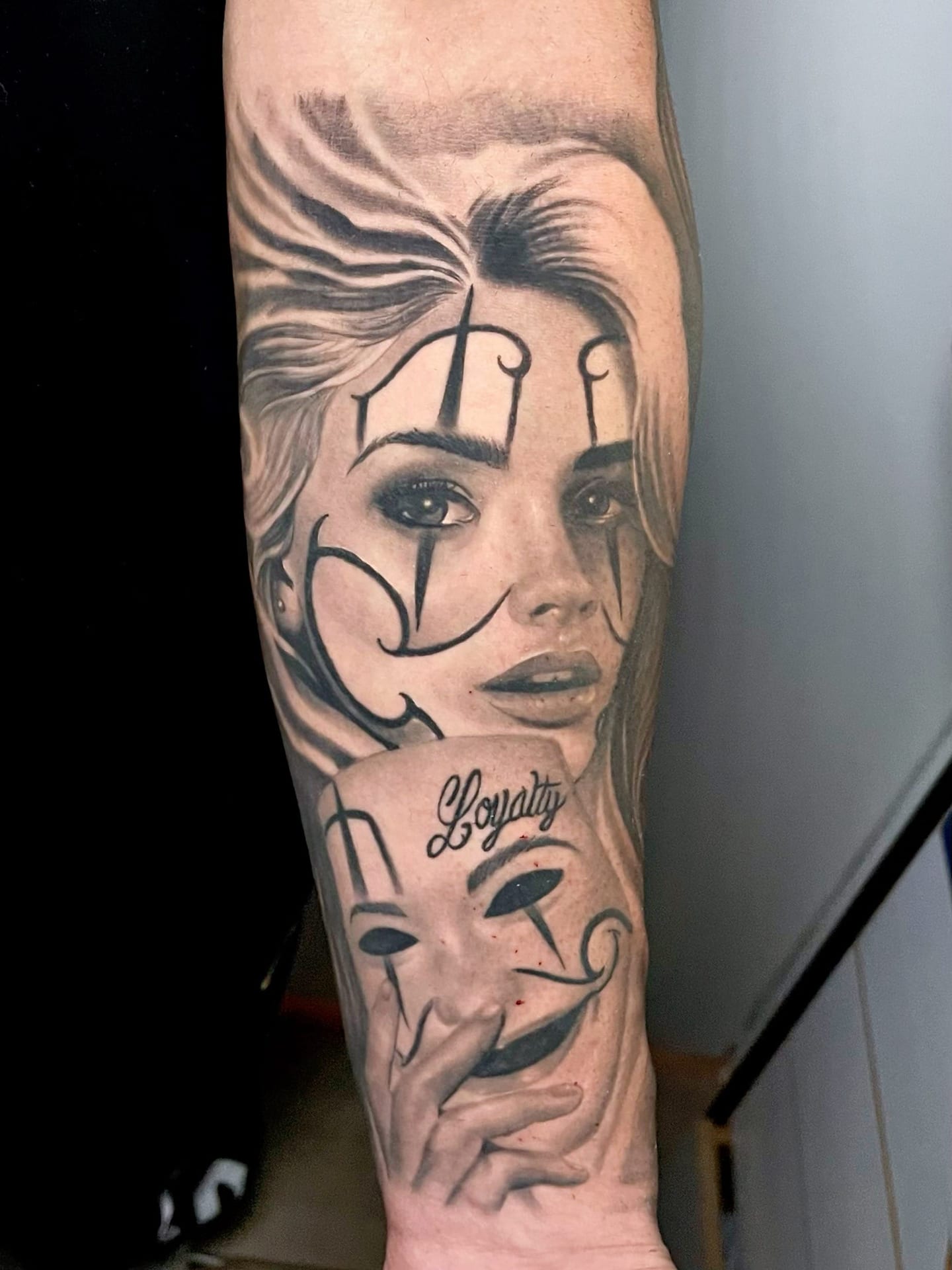
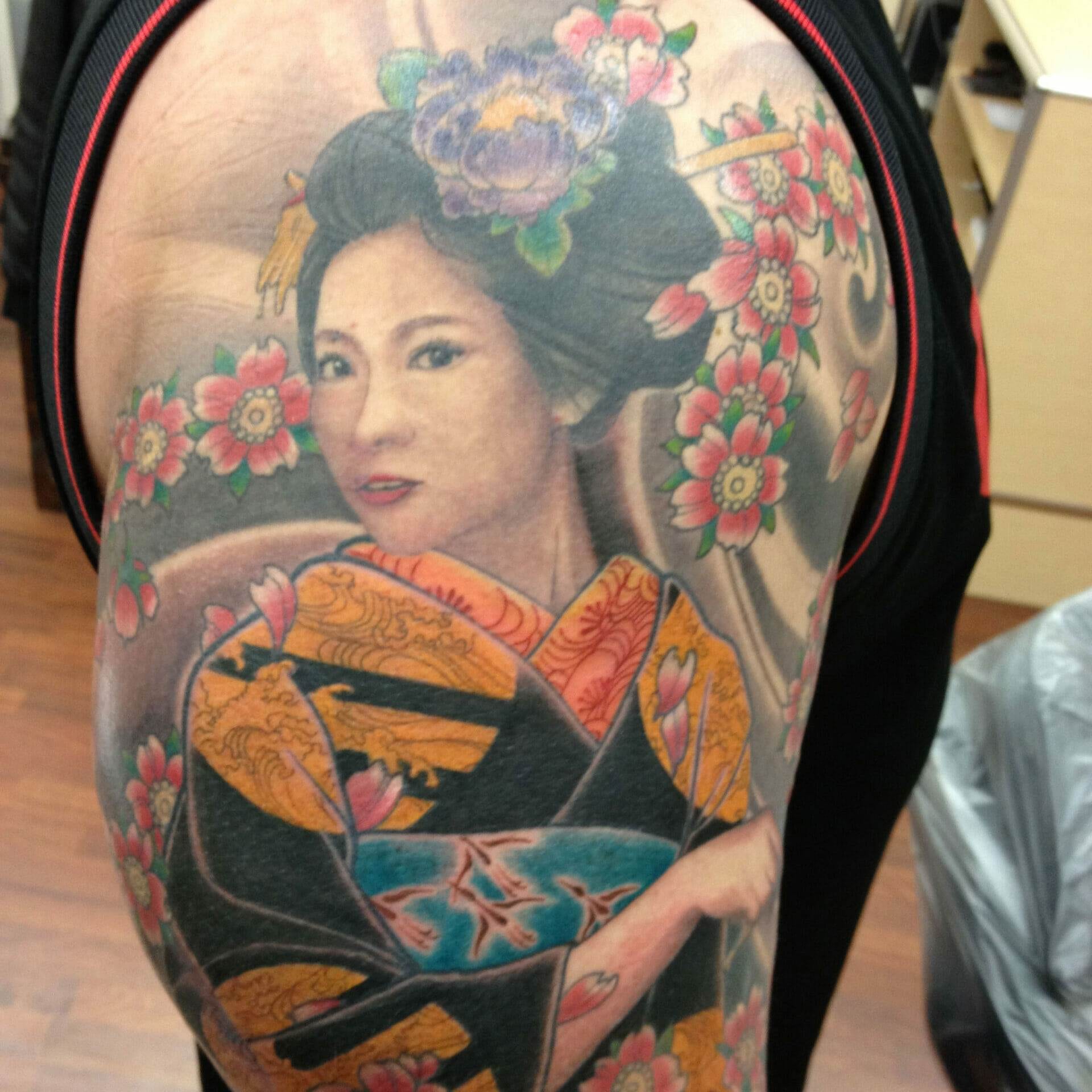
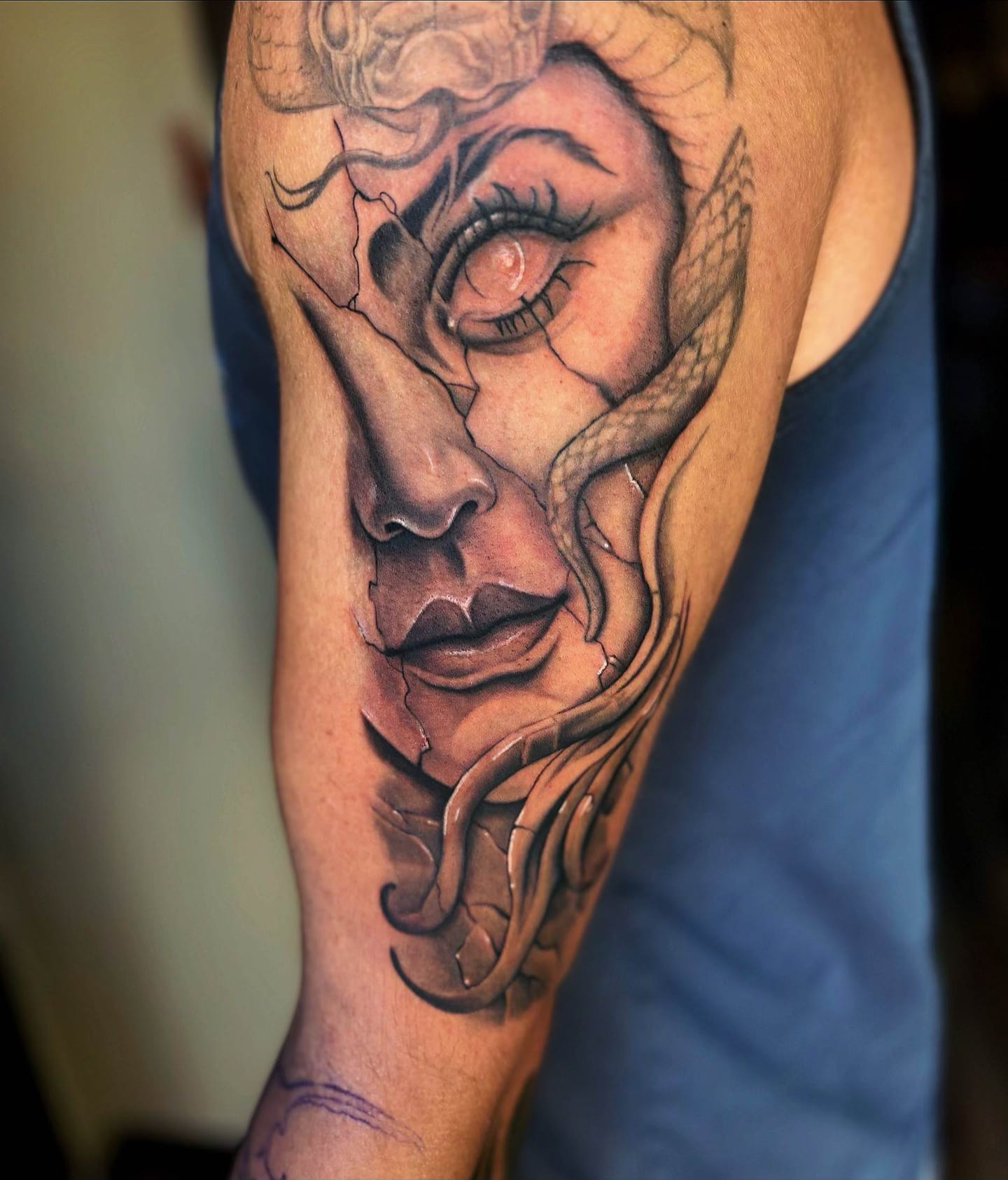
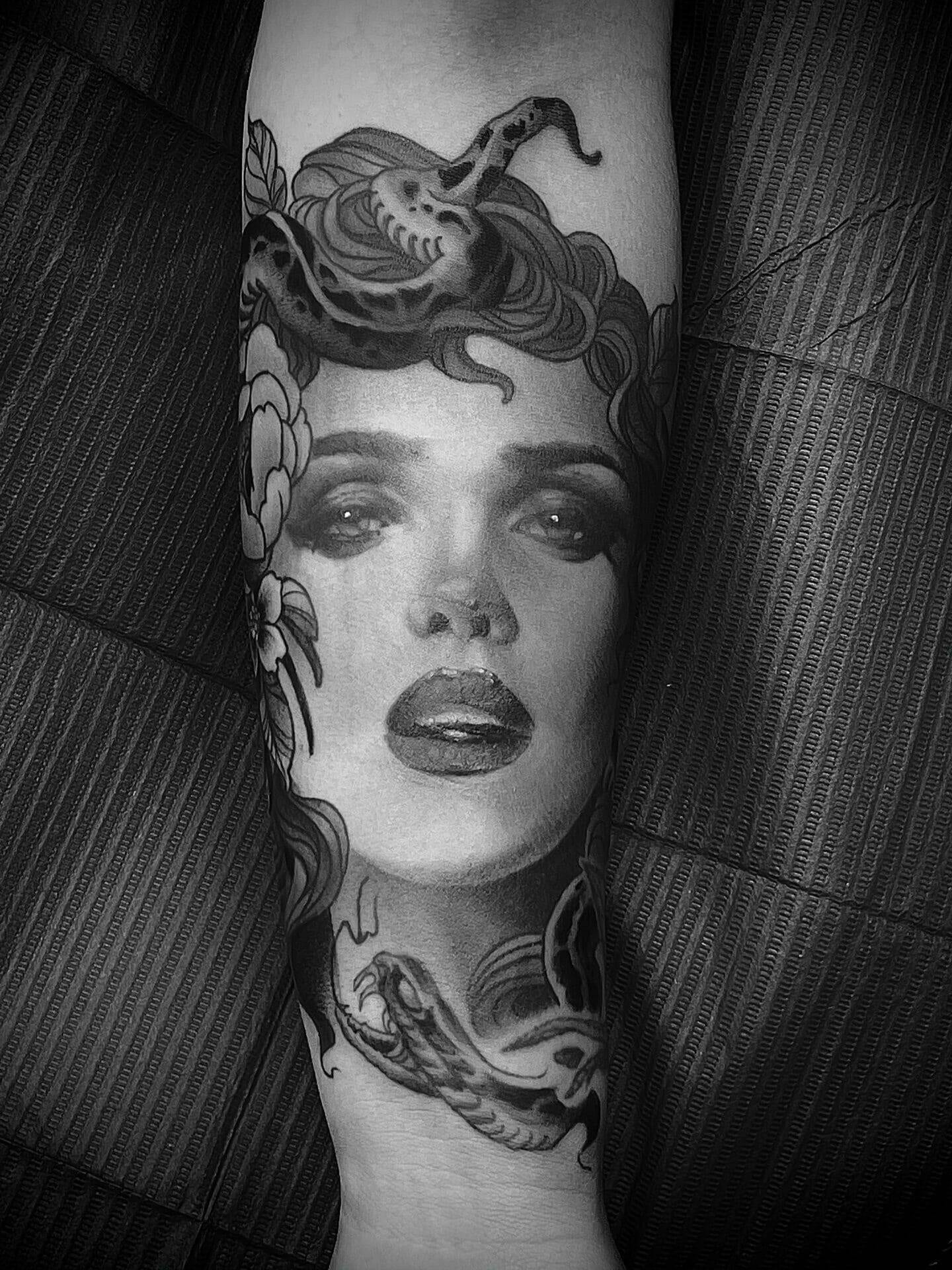
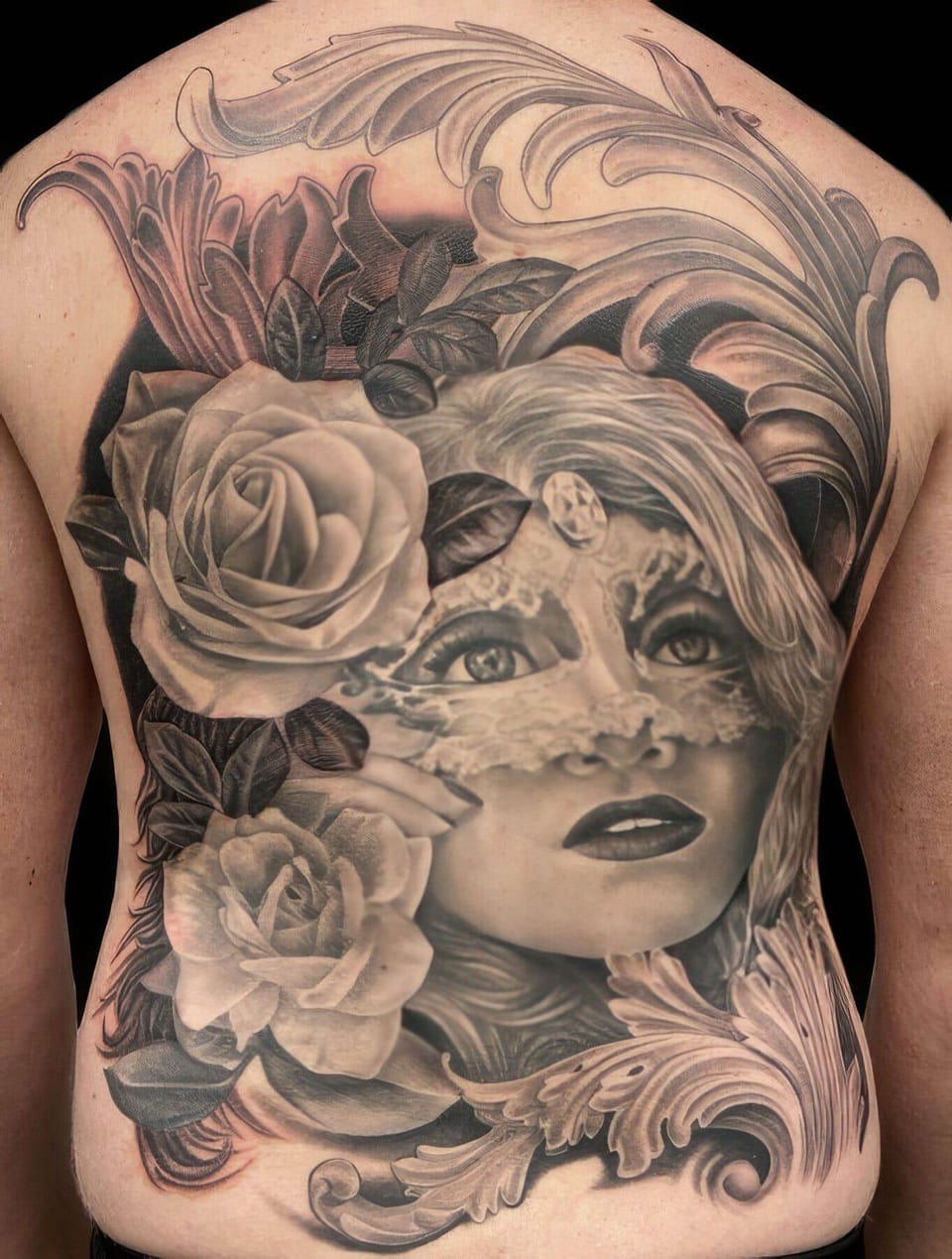
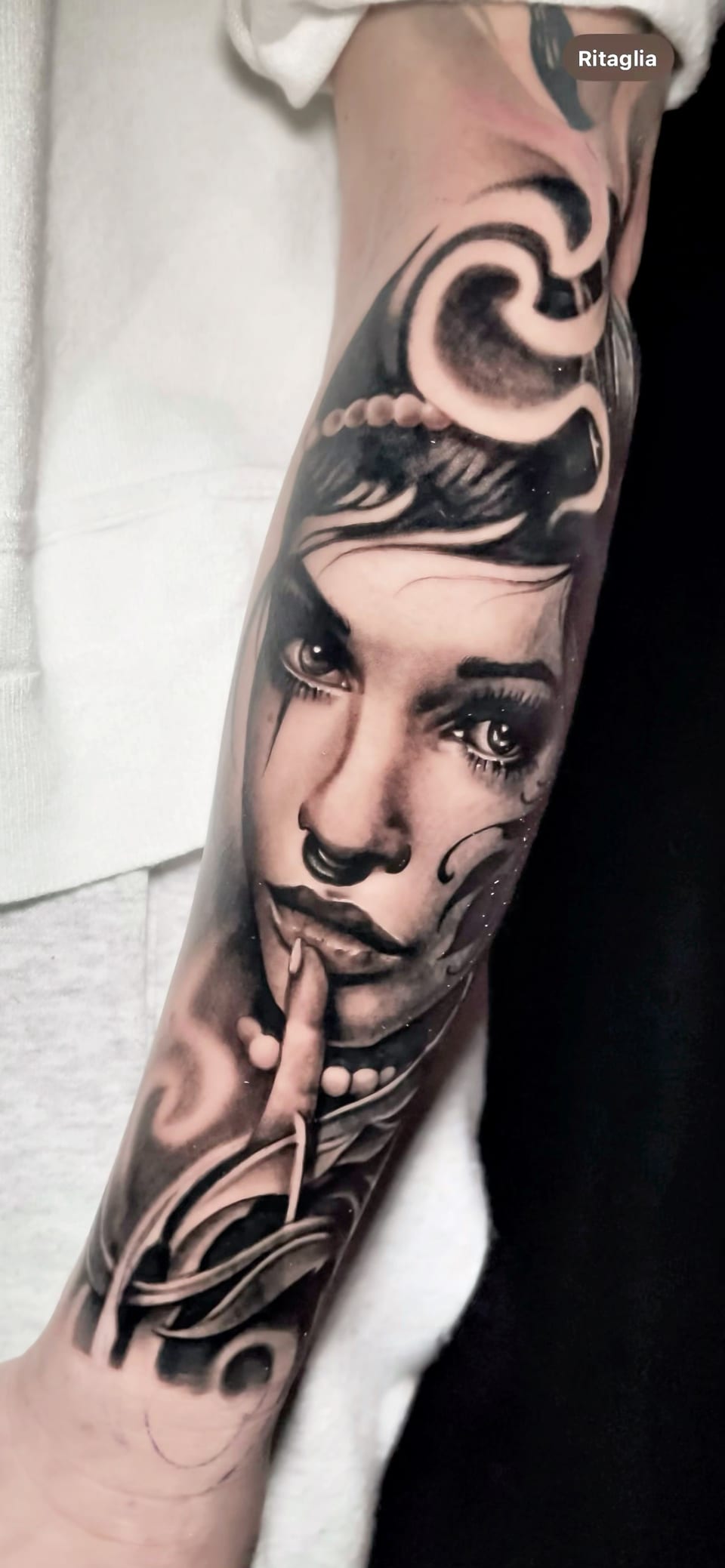
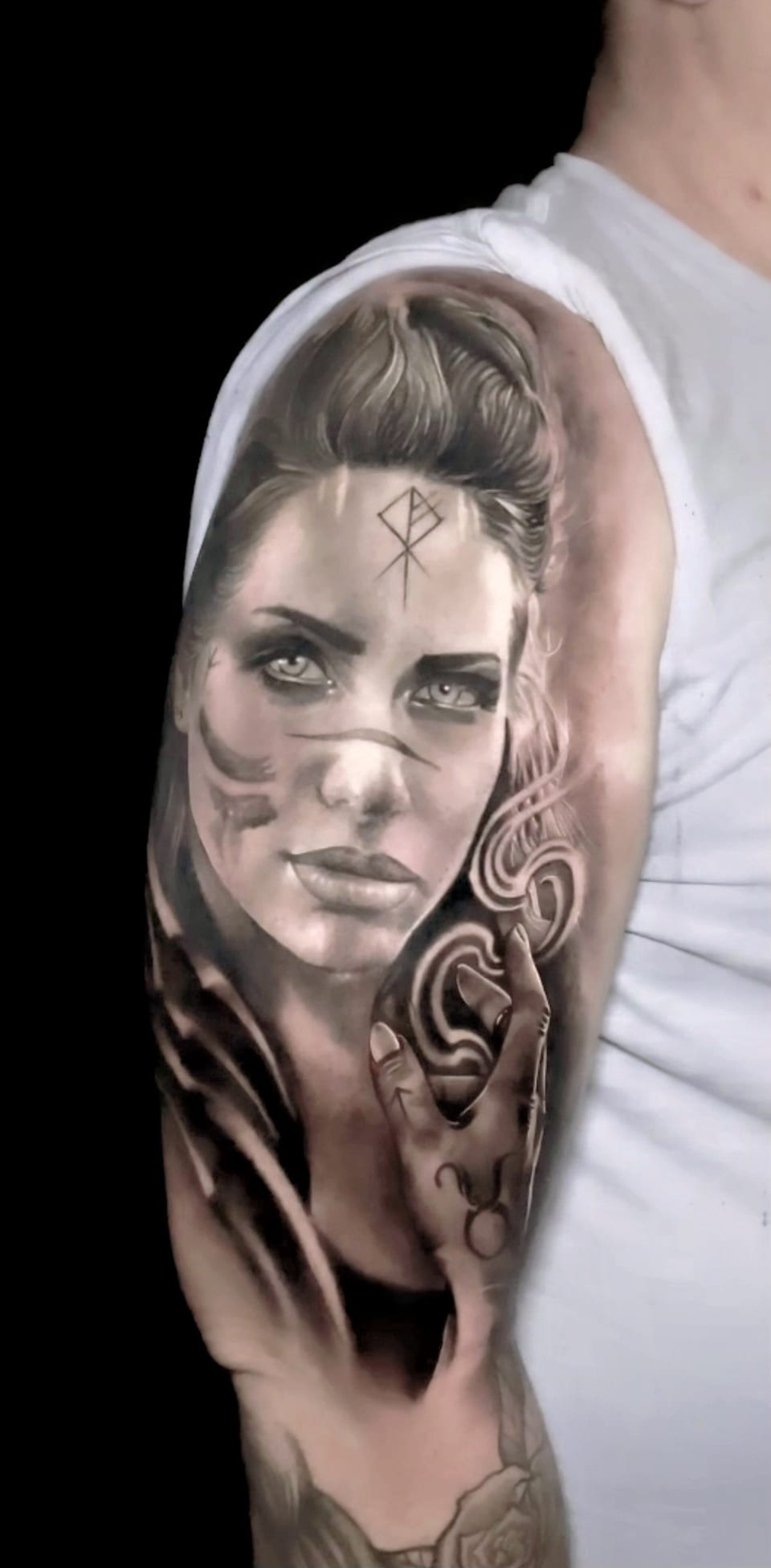
What to expect
Who to ask for portraits
Leo Cadenazzi
Black and grey · Realism
Skott Kautman
Black and grey · Horror · Japanese
Diego Perugini
Black and grey · Illustrative · Realism
Choosing the photograph
Sharp, large, well lit, with the face at the angle you want and the expression you remember. One photo, not a composite, unless the artist suggests combining two. Phone snapshots work when they are sharp; screenshots and tiny prints do not.
Leo and Diego do portraits in black and grey; Skott does faithful reproductions in color or grey. Portraits need size, a palm at minimum for a face, and a single long session or two, so plan the placement with room to spare for it.
At a glance
- Reference
- One sharp, well-lit photo
- Size
- Palm and up for a face
- Ink
- Black and grey or color
- Sessions
- One long, sometimes two
- Artists
- Leo, Diego, Skott
Questions people ask
Can you work from an old or damaged photo?
Sometimes, with care and honesty about what detail is missing. The artist will tell you at the consultation what the photo can and cannot give.
Pet portraits?
Yes, and they are among the most-requested pieces. Fur and eyes need the same sharp photo a human face does.
Black and grey or color?
Black and grey ages best and reads as a photograph. Color suits pets and children well when the reference is bright and sharp.